Design principles
Asset management
An overview of asset management principles in operations and policy
Council’s Asset Management Policy sets out the framework for consistent and appropriate asset management practices, process and systems throughout the council region.
Asset management and operations
The 2009 Queensland Local Government Act requires all councils to have long-term asset management plans that directly link to a long term financial plan and with a minimum timeframe of ten years
It is council’s intention that its asset management will encompass the whole of life sustainability of built and natural environments while ensuring appropriate delivery of council services to the community at the desired level of service. The policy applies to all built and natural assets owned or managed by council.
Council has now developed asset management plans (also known as TAMPs) in accordance with the guidelines set out in the International Infrastructure Management Manual 2006 (IIMM 2006). Plans will apply to all built and natural assets under its stewardship.
Asset Management Plans have been developed are as follows:
- Building and Facilities
- Coastal and Environmental Infrastructure
- Holiday Parks
- Parks and Gardens
- Stormwater
- Transportation
- Waste and Resources Management.
Asset Management Plans
The Sunshine Coast Council Asset Management Plans, demonstrate responsible management of assets (and services provided from assets), compliance with regulatory requirements, and communicates funding necessary to provide the required levels of service.
The asset management plans (TAMPS):
- identify asset quantities and asset age
- give consideration to the whole of life costs of the asset and/or service
- identify existing levels of service and any potential gaps which may exist
- provide information on current and future maintenance (operational and capital work requirements)
- identify the level of service that will be delivered by the asset and how the service will be monitored
- identify funding needs on a short term and long term basis
- provide guidance to develop programs to optimise the asset value and minimize funding commitments
- provide the basis for long-term financial planning for assets under the custodianship of council
- provide an improvement plan to follow
- identify climate risks that may affect the assets over time.
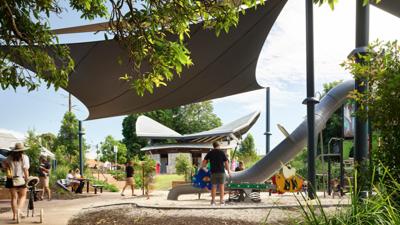
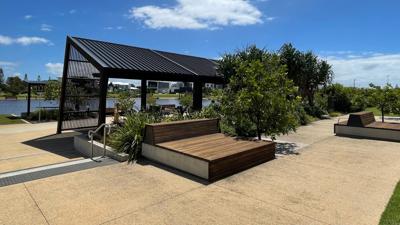
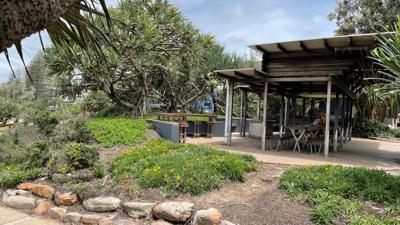
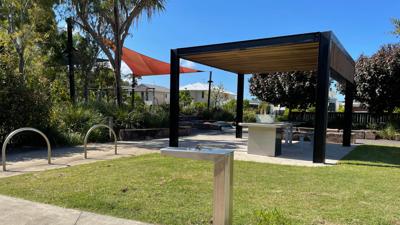
Life cycle management is of particular importance to the LIM as it establishes the ‘typical asset life’ of embellishments. This information will assist with decision-making pertaining to appropriate and high quality asset choices regarding landscape embellishments. Overall, the LIM will ultimately build financial sustainability through the reduction of asset maintenance costs, while maintaining high levels of service and enhancing operational efficiencies.
This component is currently in development