Design principles
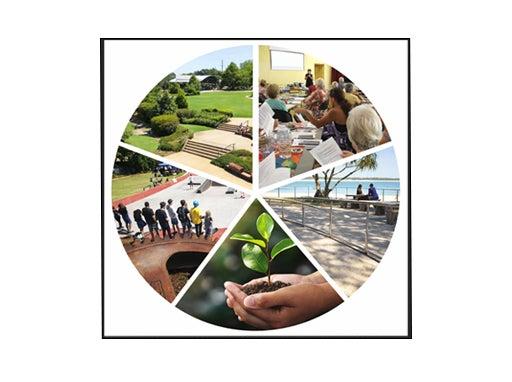
CPTED
An overview of Crime Prevention Through Environmental Design (CPTED) principles
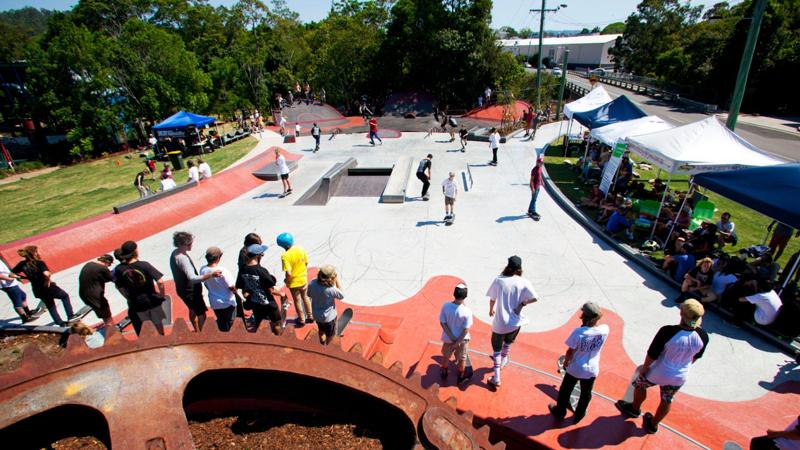
The fundamental idea of Crime Prevention Through Environmental Design (CPTED) is:
‘that it is possible to use knowledge and creativity to design those built environments in ways that lessen or prevent the incidence of such crime’.
Crime Prevention Through Environmental Design: Guidelines for Queensland 2021, provides information on how to design public spaces for crime prevention and public safety. The LIM has adopted these guidelines.
The guidelines are intended for architects, urban designers, engineers, landscape architects, planners and designers, and anyone involved in the planning, design and management of the built environment, especially in publicly accessible places. The CPTED guidelines provide tools and worksheets to assist with incorporating CPTED principles.
The guidelines are designed around three key concepts:
- ‘Crime against people and property is less likely to occur if other people are around’;
- ‘The importance that people in adjoining buildings and spaces can play in seeing what is happening’; and
- ‘The importance of providing safe choices about where to be and how to anticipate and respond to problems’.
The CPTED Guidelines outline the following seven principles for designing public spaces:
- Activation - increasing the number of interactions people make with public spaces
- Surveillance - creating opportunities for people in to observe what is happening in adjoining spaces
- Ownership - encouraging the community to care about their space
- Stakeholder management - ensuring that public spaces are well managed and maintained
- Legibility - helping people confidently move through an area
- Territoriality - clearly separating public space and private space
- Vulnerability - avoiding areas of vulnerability, concealment or isolation
The CPTED process encourages consideration of these principles to be embedded into the design process. There is no correct solution to the design and management of open spaces, rather a balance must be sought between competing priorities, to find the best fit solution.
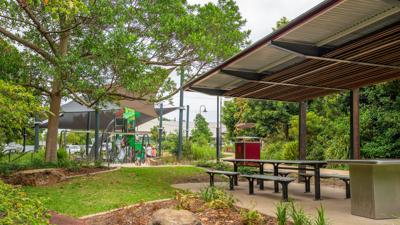
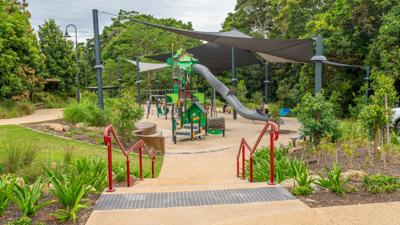
This component is currently in development