Site set up (including tree protection)
Tree damage
Defining what constitutes tree damage
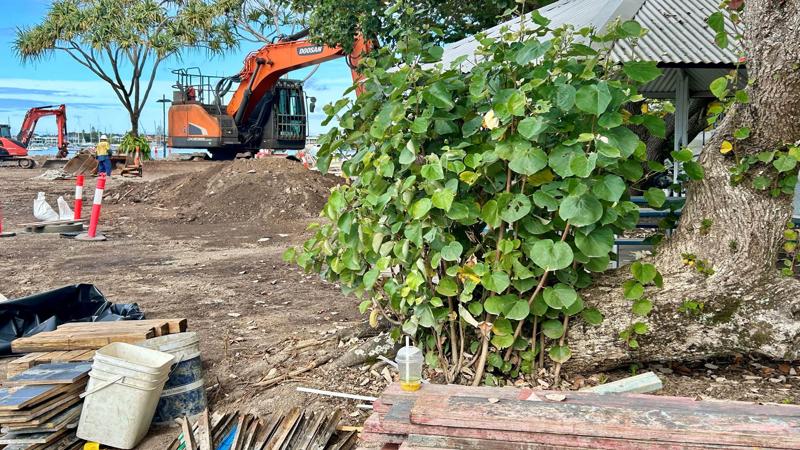
Trees growing within or adjacent to construction areas are often damaged due to poor understanding of how they grow and what they need for survival. Significant tree damage cannot be repaired, therefore preventing the occurrence of damage in the first place is critical to the health, safety and long-term viability of trees.
The majority of injuries sustained by trees on construction sites are root-related. Most root damage slows growth and can include a decline in the general health of the tree which may lead to a shortened life. More significant root injuries can compromise the stability of a tree, resulting in a potential threat to public safety.
Tree roots:
- anchor a tree
- take up water and nutrients
- store energy (as carbohydrates).
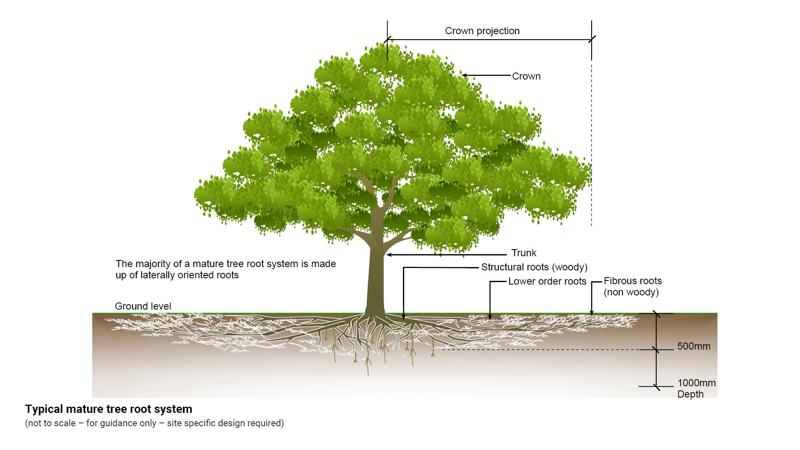
Figure 2: Typical mature tree root system
A common belief is that tree roots anchor a tree vertically, when in fact the root system of a mature tree is mostly made up of laterally oriented roots, which are both shallow and wide spreading.
The most severe damage is caused by deep excavations (cuts), close to the trunk of a tree, however both cut and fill construction methodologies can harm trees.
Placing soil or other materials over root systems or compacting soils for example, will impede air movement and invariably restrict air flow around tree roots.
For tree roots to function effectively, they need to remain intact and the soils they grown in need:
- air
- moisture
- nutrients
- micro-organisms (to help extract nutrients).
Damage to trees on construction sites can be both direct and indirect.
Direct damage

- severance of critical roots
- soil stripping and removal of soil microorganisms, soil nutrients and feeder roots.
- physical damage to trunk and branches
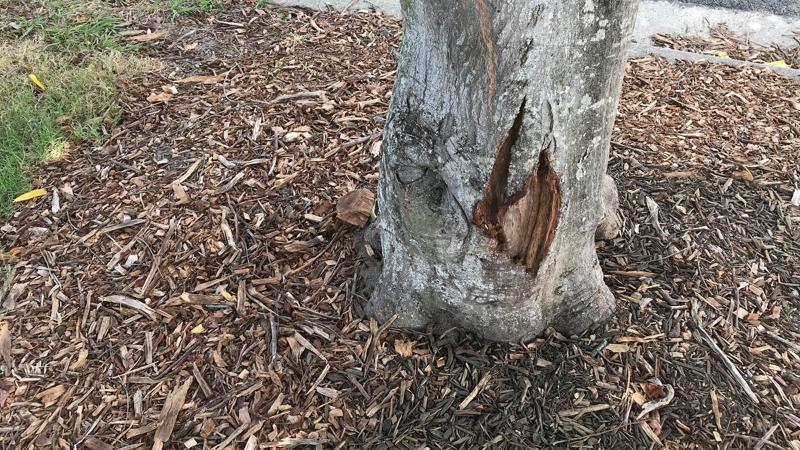
- direct mechanical damage to a tree trunk
Indirect damage
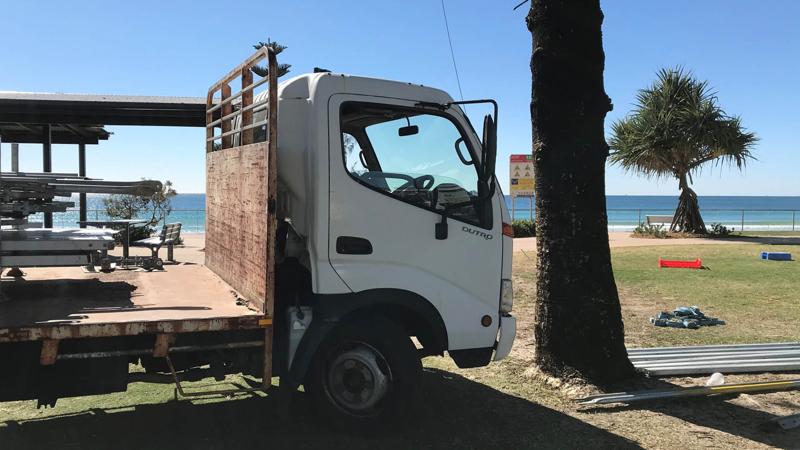
- soil compaction either intentional to create a stable base, or as a result of heavy traffic (compacted soils have a reduced capacity for air and water infiltration)
- de-oxygenation of soils as an outcome of fill surfaces restricting the passage of air
- changes in soil hydrology as an outcome of altered patterns of flow, drainage, and loss of permeability
- root damage is mostly progressive rather than instantaneous, with symptoms of stress often not visible until successive growing seasons.
- Soil compaction an outcome of heavy equipment tracking indirectly damaging a tree
This component is currently in development