Smart technologies
Types
Smart technologies consist of digital infrastructure, telecommunications connectivity, and the sensors, actuators and devices that provide data.
Smart technology types/summary
Above ground public realm infrastructure can be paired with smart technologies that enable council to:
- work more efficiently by controlling devices remotely
- capture data and make more intelligent, data-driven decisions.
Types:
- Multi-function poles
- Integrated switchboard
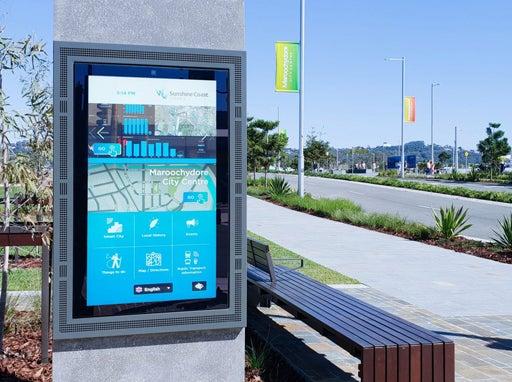
- Digital kiosks
- Digital screens
- Other infrastructure.
See Table 1: Digital infrastructure.
Continued development of digital infrastructure for analogue and digital uses requires underground and above ground assets to be future ready and adapt to changing requirements as council manages its public spaces.
Types:
- Telecommunications conduits and pits
- Passive optic fibre and active networks
- Electrical conduits and pits
- Internet of Things (loT) gateways
- WiFi access points
- 5G micro cell sites.
See Table 2: Telecommunications and connectivity.
Sensors, actuators and devices capture data that can be analysed to provide insights into historical and near real-time trends to make informed decisions for more effective and efficient service delivery. They can also warn of potential problems, allowing council to perform preventative maintenance and avoid costly downtime.
Actuators enable manual and automated remote switching of operational systems, for example irrigation, to improve performance and reduce the need for staff to go on site.
Lighting
- Smart lighting controls
- Luminaires
- Remotely controlled artistic lighting
- Turtle friendly luminaires.
- Sensors, actuators and devices.
See Table 3: Lighting.
Environmental
- Environmental monitoring station
- Weather station
- Ambient temperature sensor
- Water quality sensor
- Soil moisture and temperature sensor
- Stream height gauge
- Wind speed sensor
- Constructed waterbody water quality sensor.
See Table 4: Environmental.
Human movement
- WiFi probe (people counting and movement)
- Passive infrared (PIR) motion sensor
- Pedestrian and cycle counter
- Object detection camera
- Vibration sensor
- Parking bay sensor
- Optical surveillance camera (CCTV camera).
See Table 5: Human movement.
Digital controls and remote monitoring
- Barbecue use sensor
- Waste bin fill sensor
- Water flow and rain sensor
- Wildlife monitoring camera
- Virtual fauna fence.
See Table 6: Digital controls and remote monitoring.
Digital infrastructure
Table 1: Digital infrastructure
Infrastructure | Application | Key considerations (for open space application) |
Multi-function poles 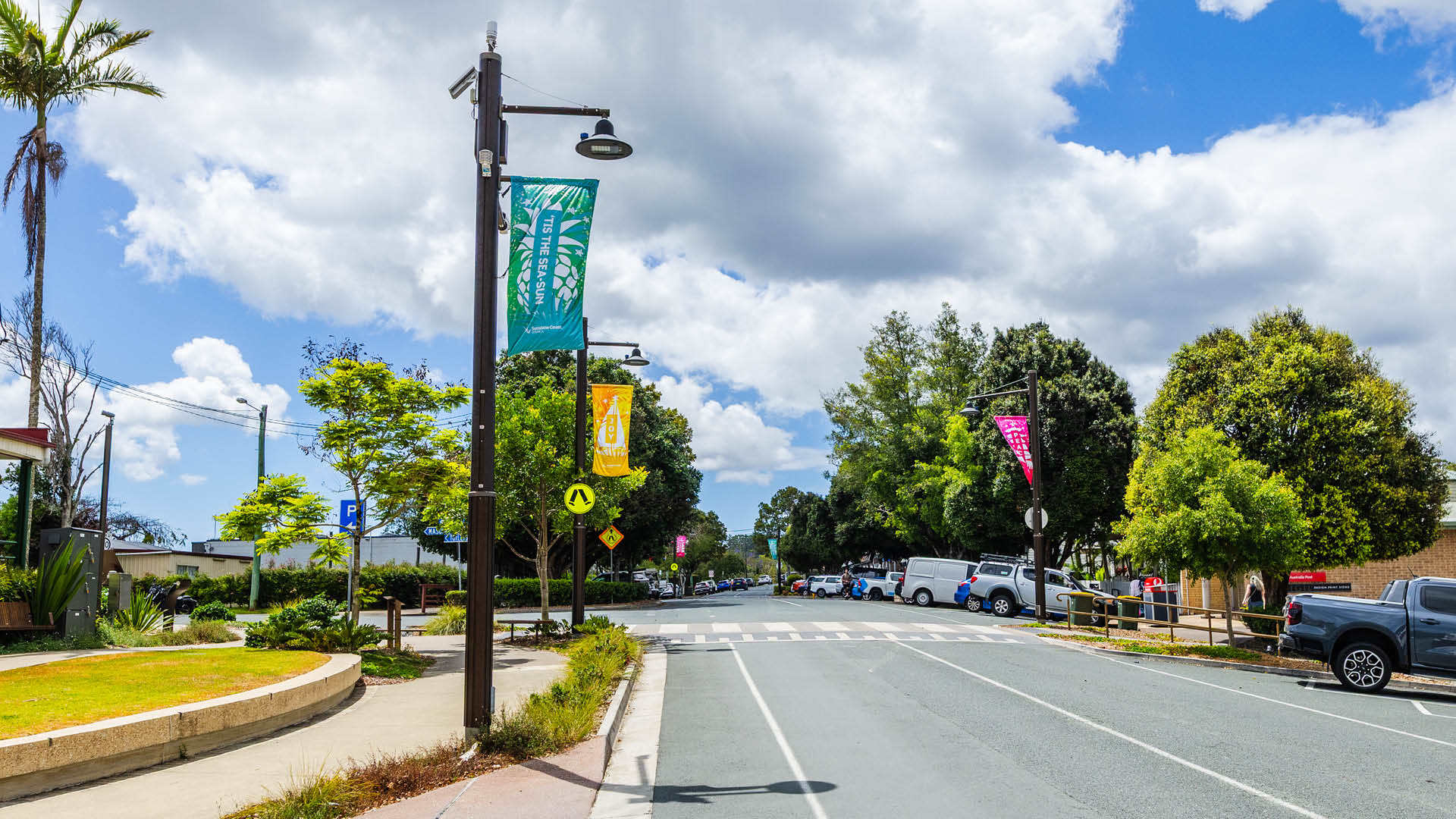 Suitable for standard light poles, enabling environmental sensors, digital signage, WiFi, pedestrian, cycle and animal counters, LED lights and optic fibre; all to be incorporated within pole structure Figure 2: Typical multifunction pole system for open spaces. |
|
|
Integrated switchboard 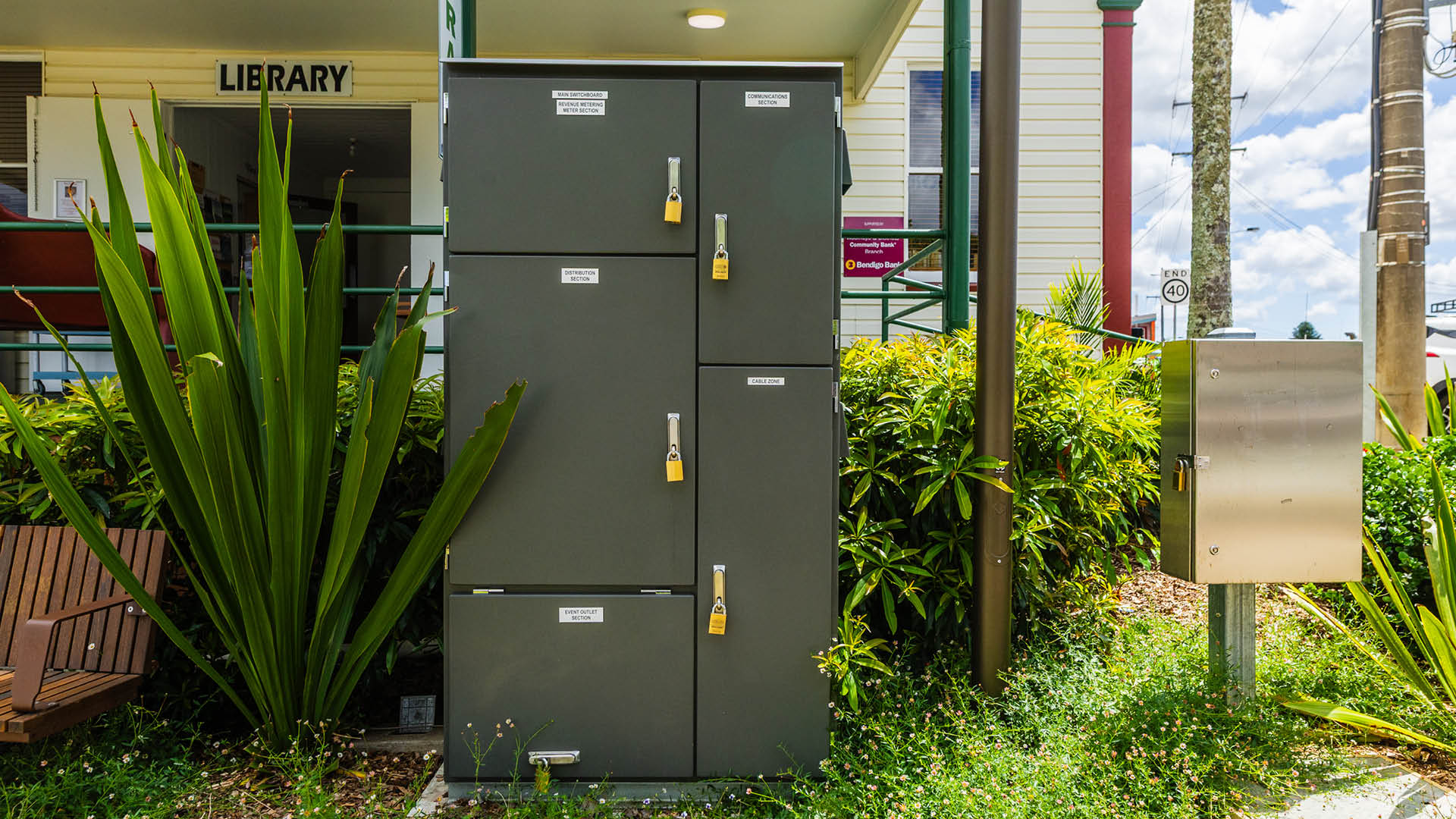 Houses mains electrical and telecommunications services distributed to the service area
|
|
|
Digital kiosks 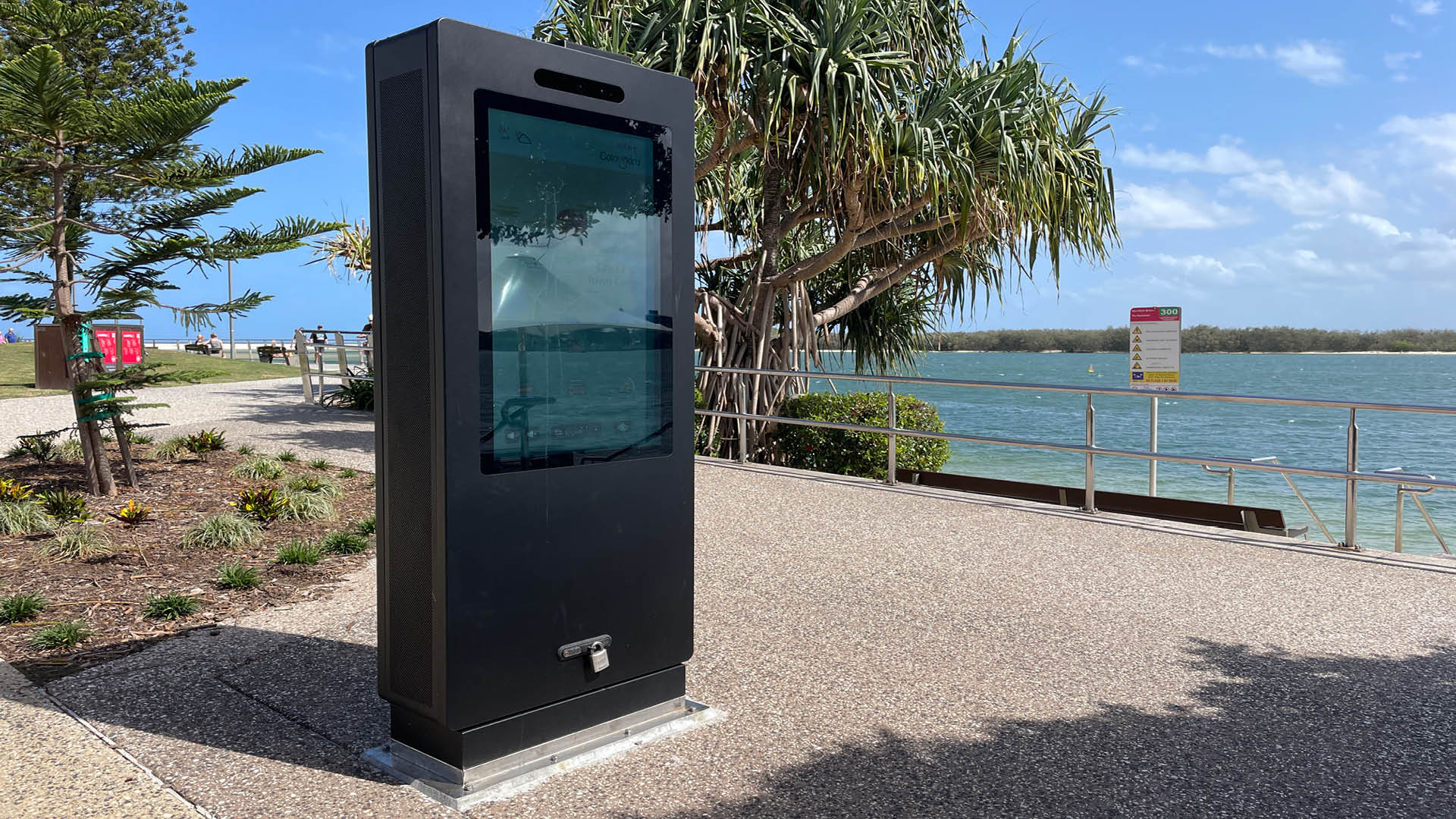 Provide interactive touch screen information about events, wayfinding, weather, local history and public transport. May be used for historic/cultural presentations, either individually or as a group of kiosks. |
|
|
Digital screens 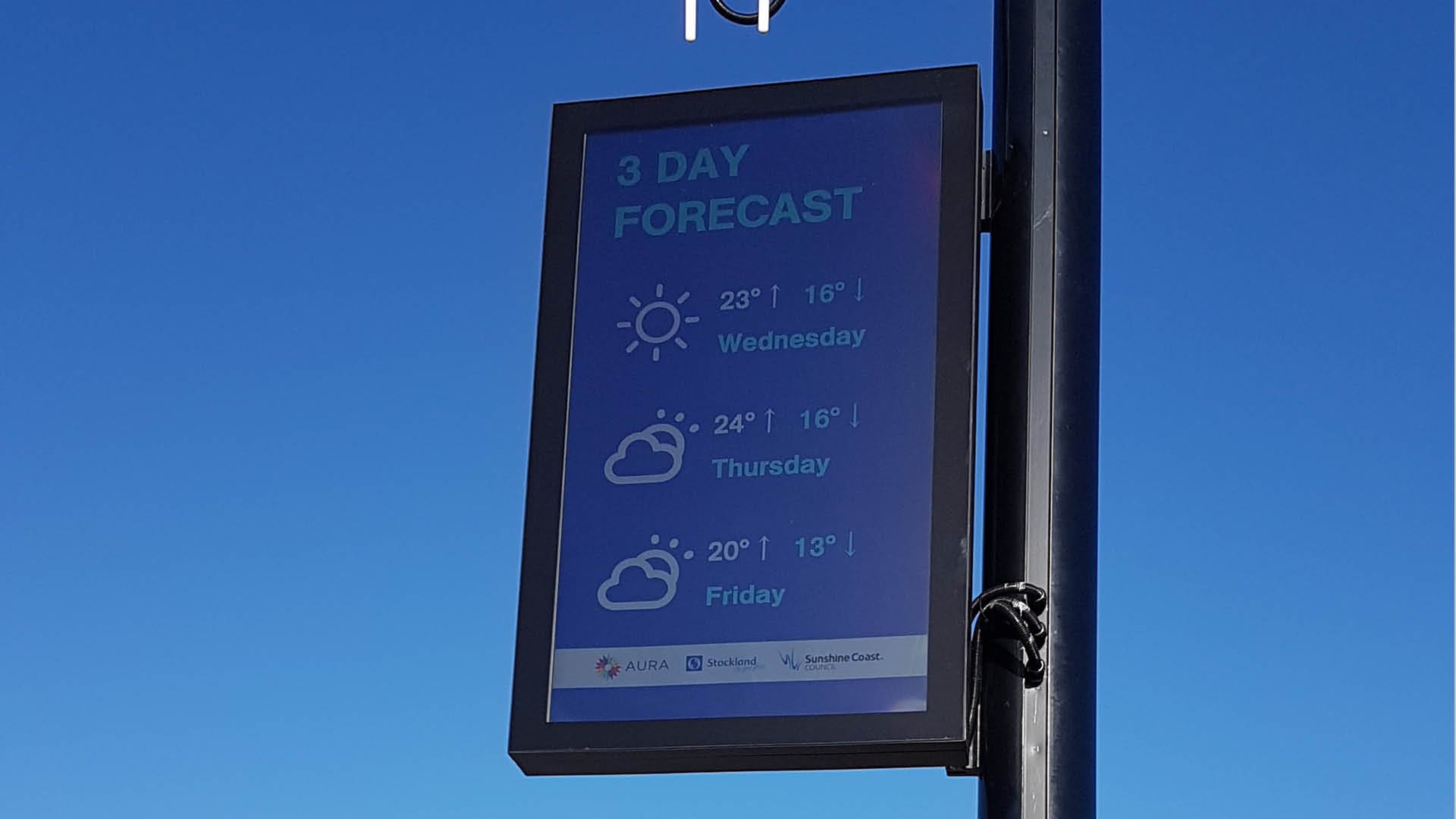 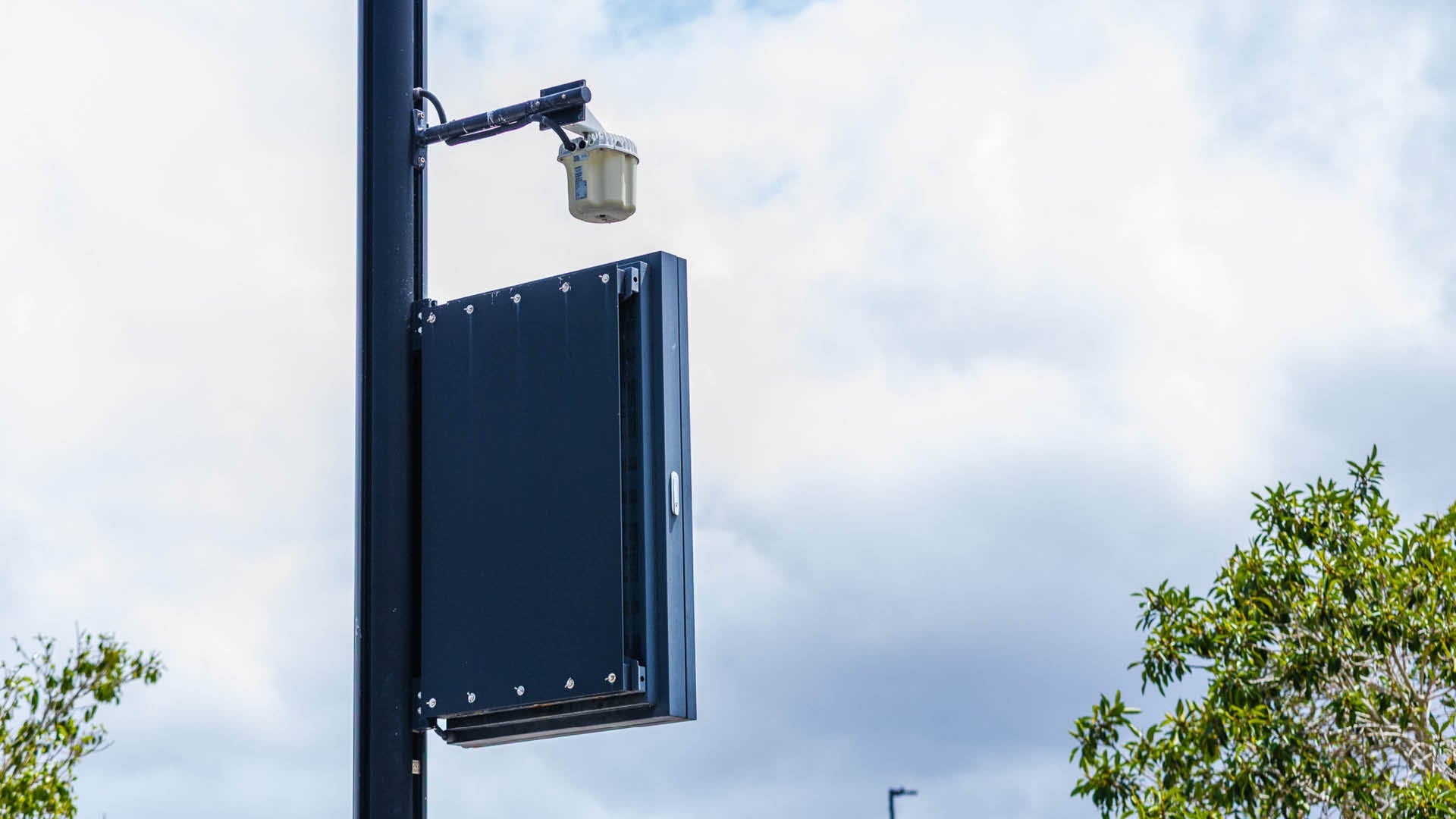 Present information such as park event details, parking space availability, and other local information (the screens are not interactive). |
|
|
Other infrastructure 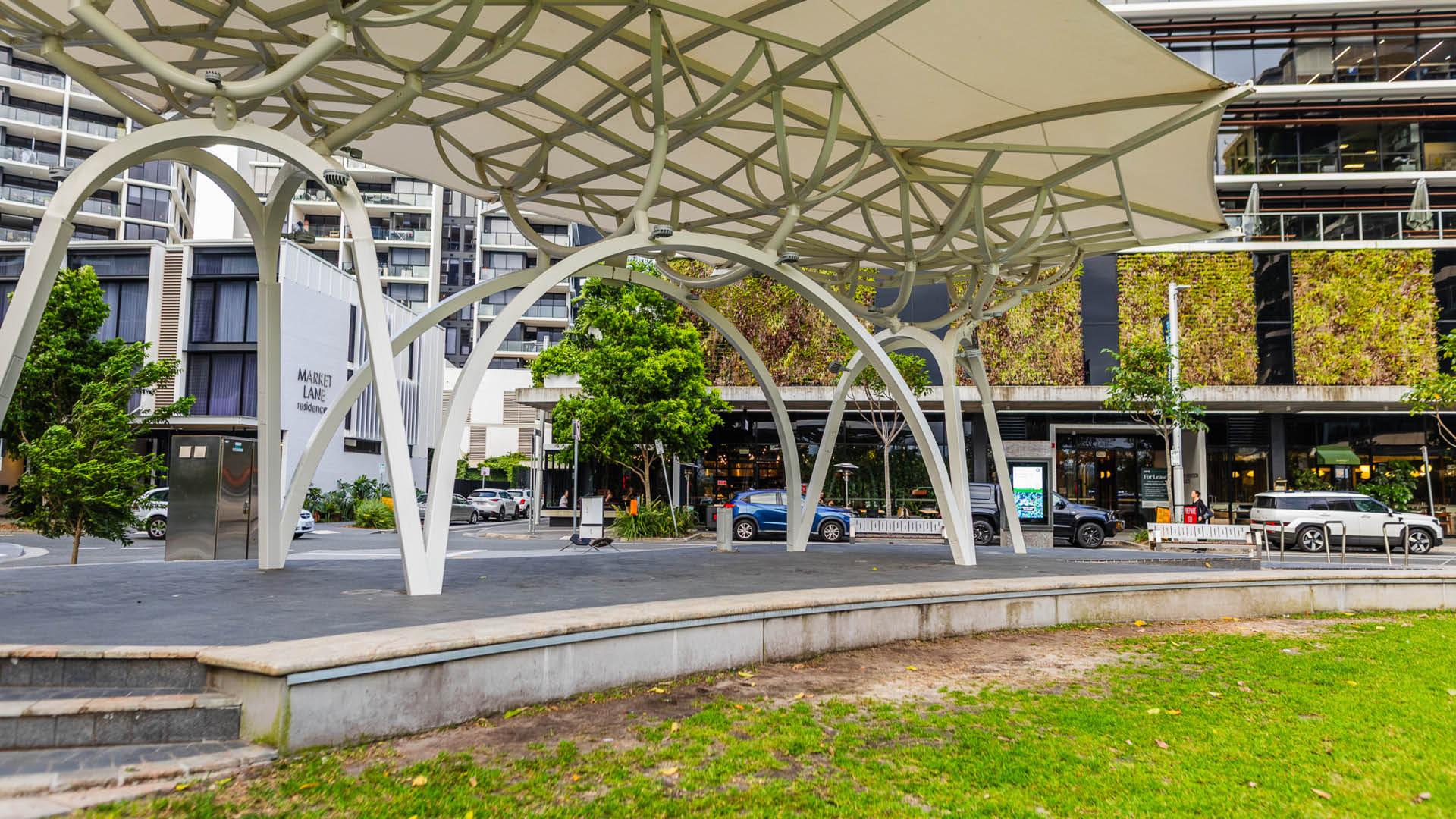 Arbors, art installations, urban furniture, signposts, event power generator pads, and bollards can be fitted with power, telecommunications ducting can be fitted with power, communications ducting, and cavities for sensors, devices and actuators to be added over time. |
|
|
For further information also refer Sunshine Coast Smart Infrastructure Manual (SIM) Attachment 2 - Digital infrastructure, and LIM Electrical. Refer LIM Signage - Overarching for clearances and viewing heights for digital kiosks.
Telecommunications and connectivity
Table 2: Telecommunications and connectivity
Infrastructure | Application | Key considerations (for open space application) |
Telecommunications conduits and pits 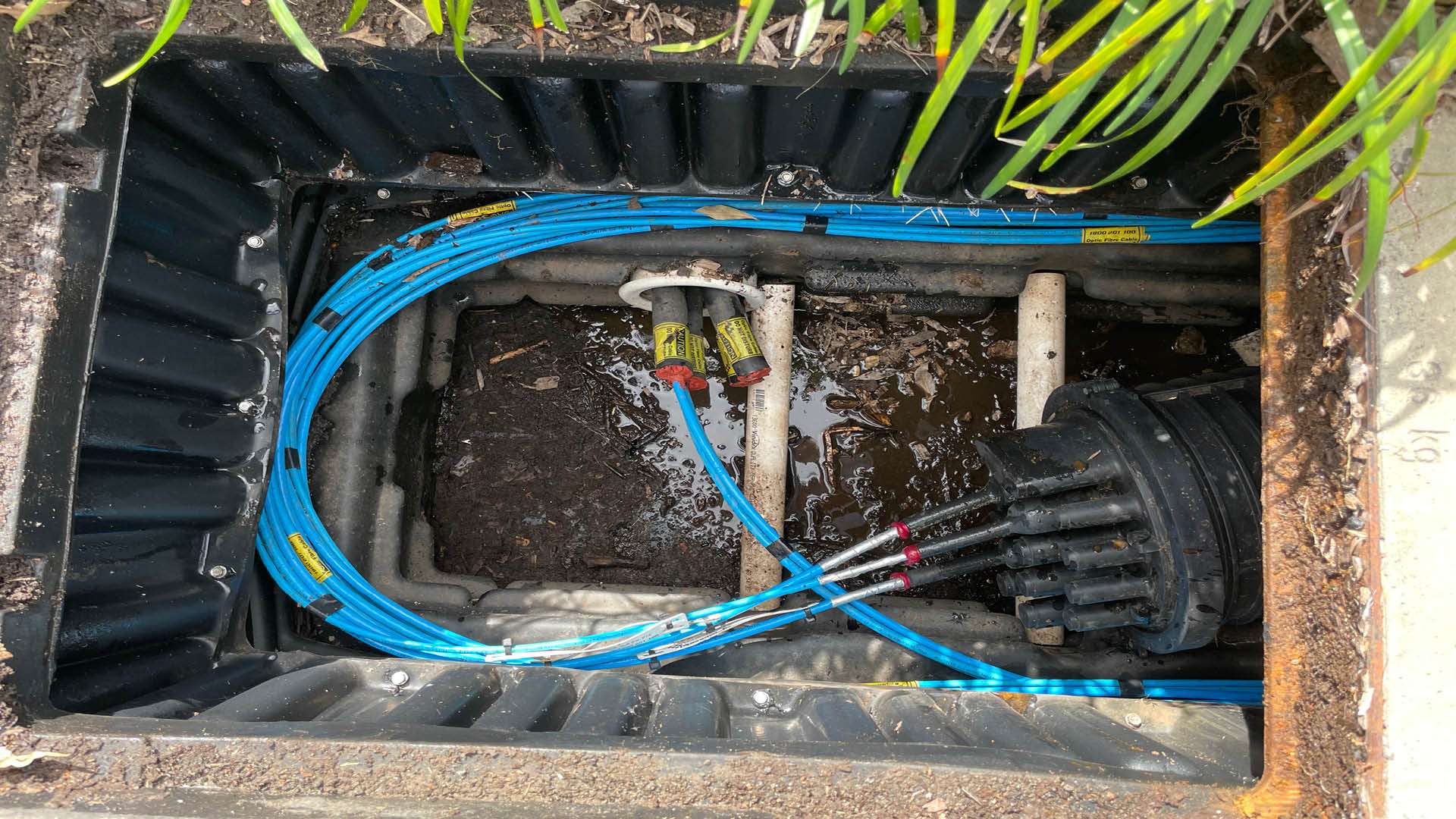 To house optic fibre for telecommunications. Pits are access points for installations and inspections. |
|
|
Passive optic fibre and active networks 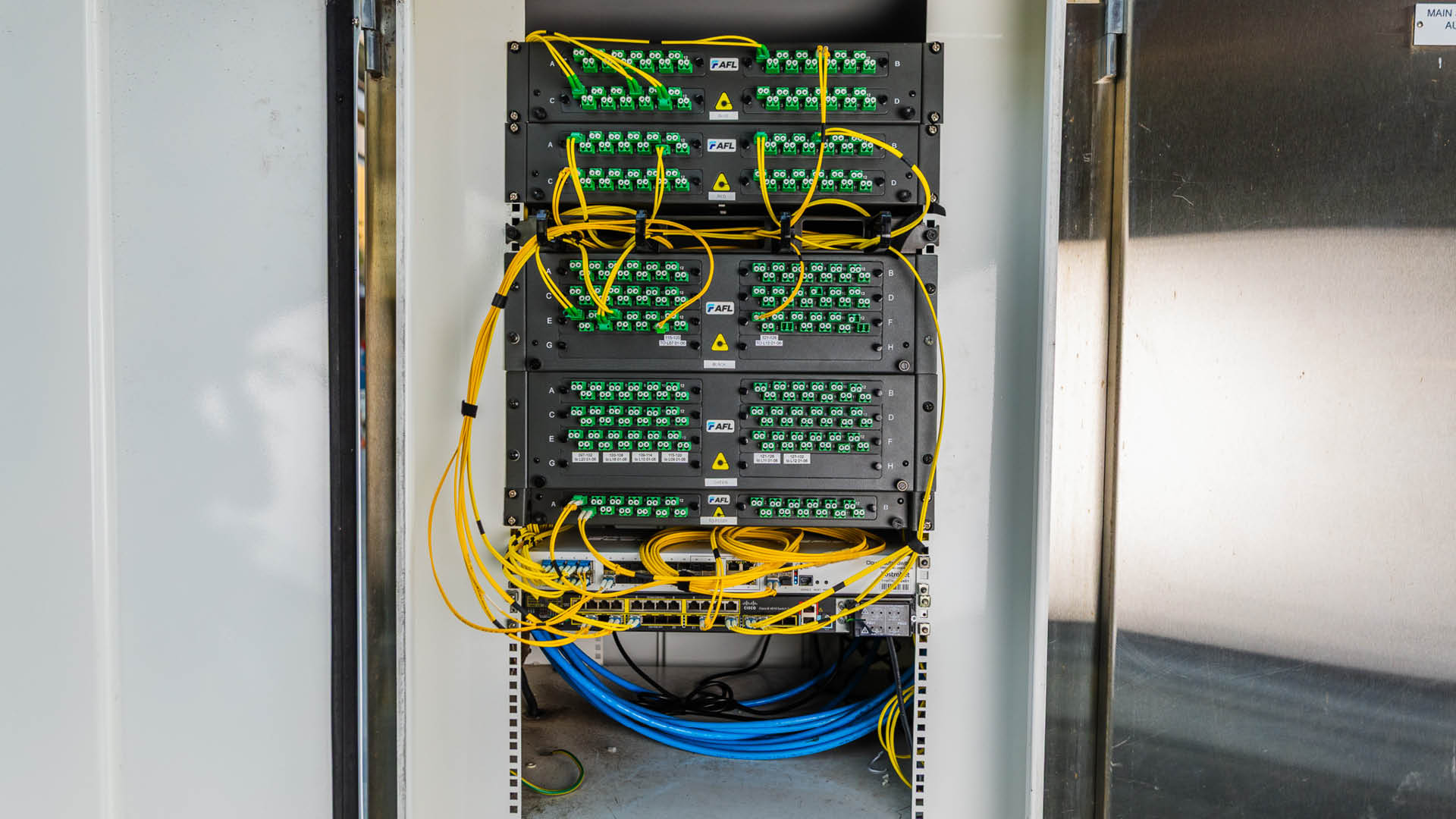 Passive optic fibre for network connectivity to all areas of park/reserve where connectivity is required. |
|
|
Electrical conduits and pits 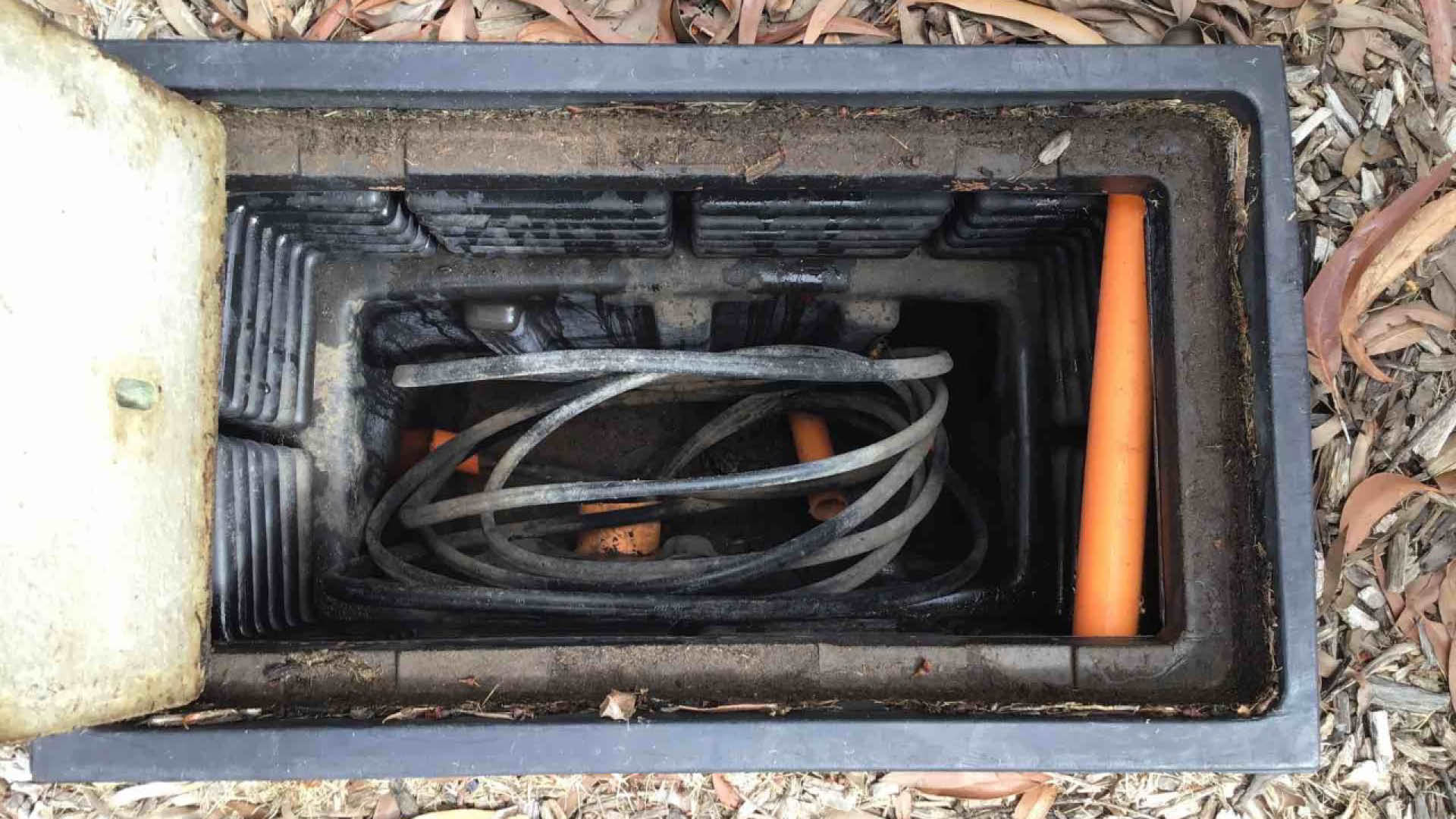 To house electrical cabling. Pits are access points for installations and inspections. |
|
|
Internet of Things (IoT) gateways (wireless) 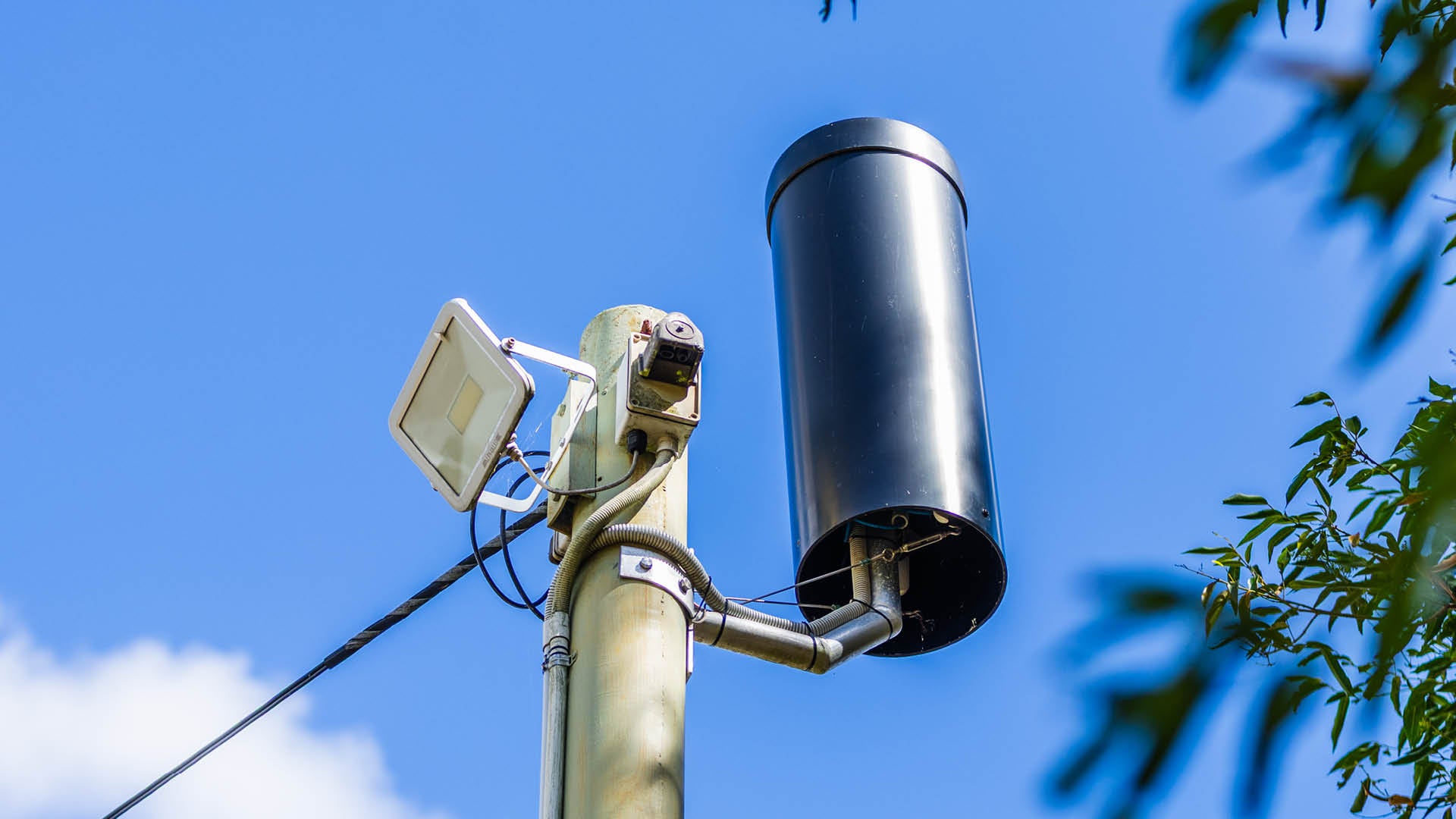 Provide very low cost internet connectivity for sensors and devices with non-critical use |
|
|
WiFi access points (wireless) 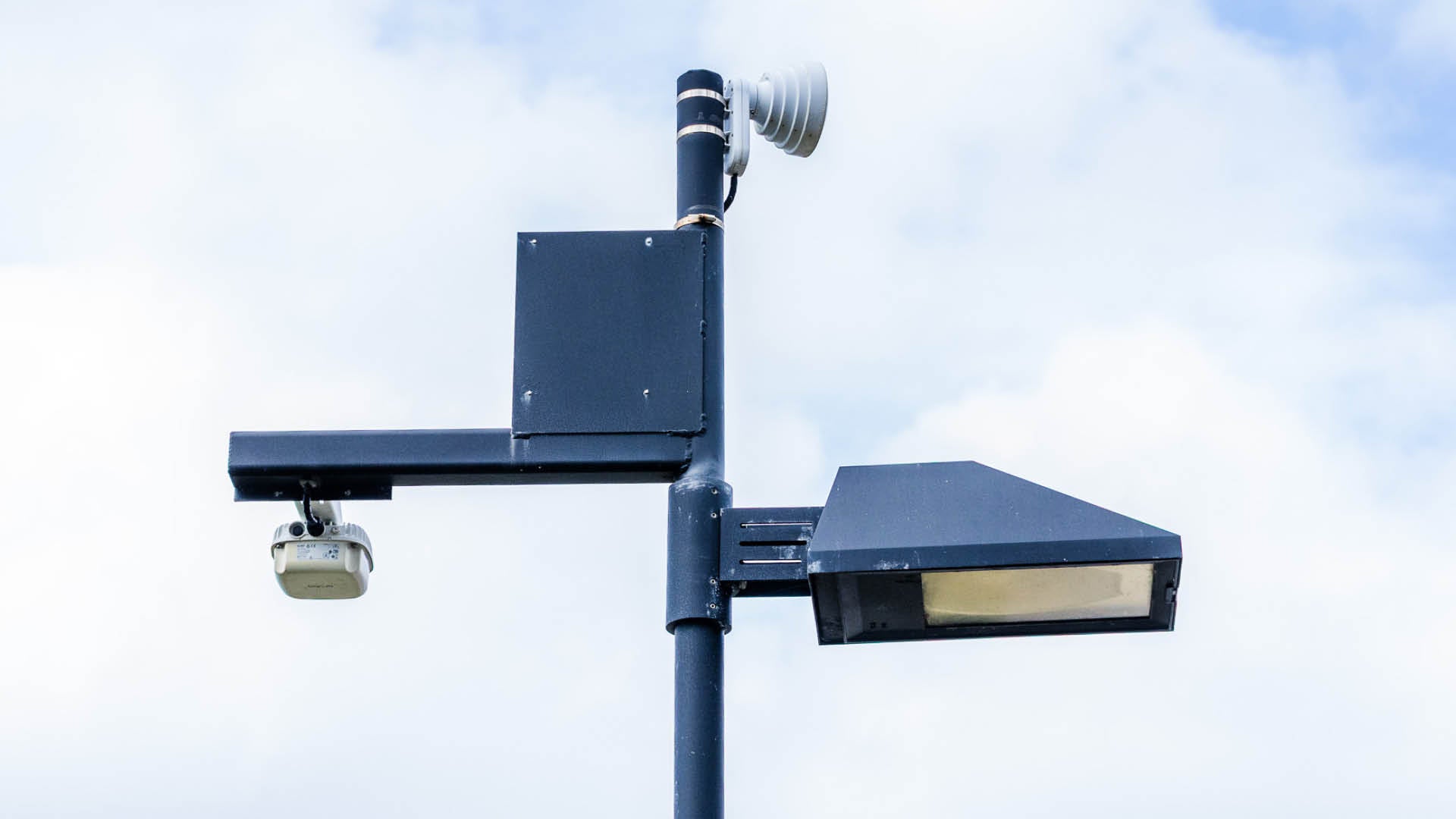 Connect free public WiFi to location |
|
|
5G micro cell sites (wireless) 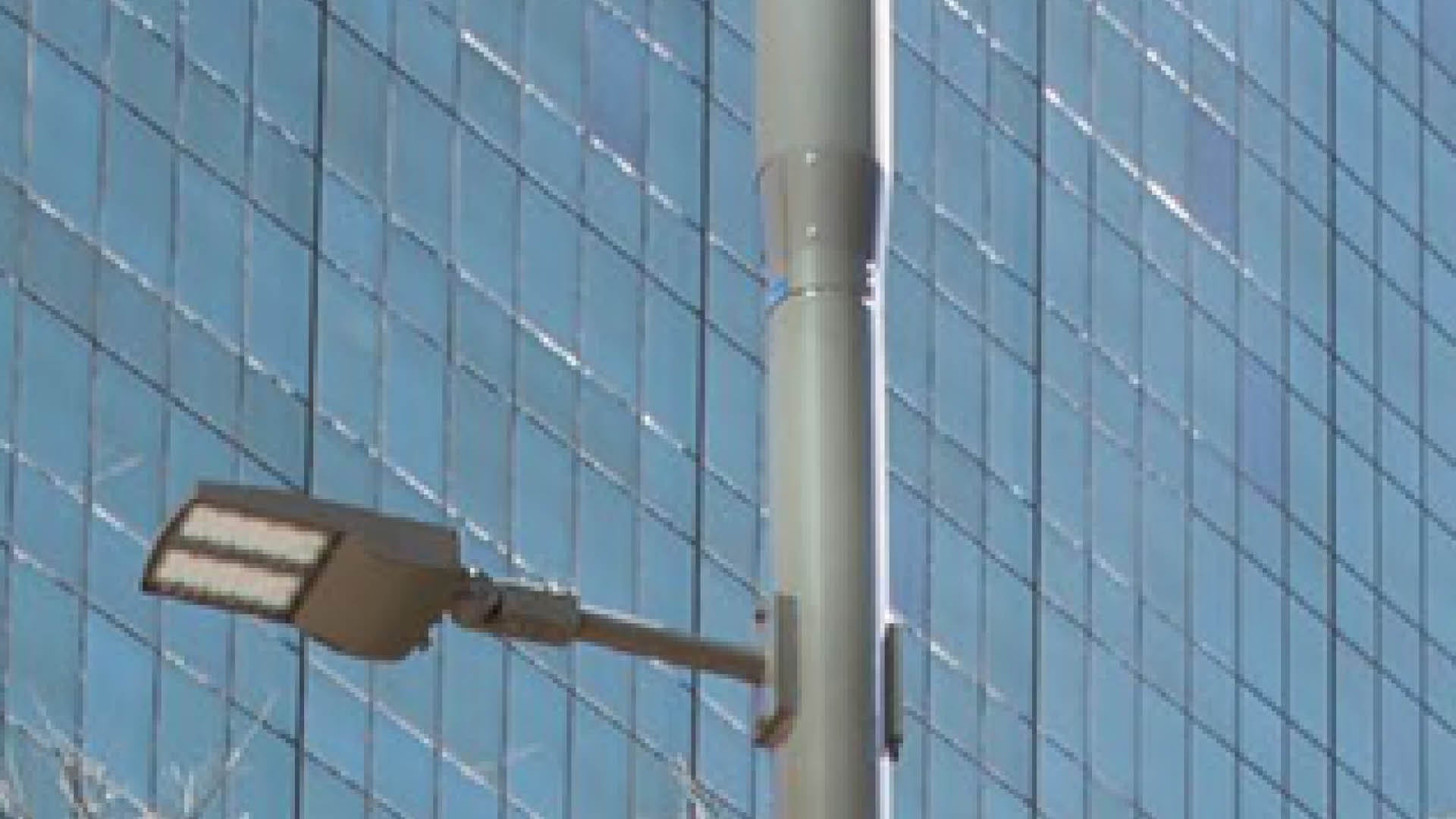 Provide improved public access to 5G mobile networks |
|
|
For further information also refer Sunshine Coast Smart Infrastructure Manual (SIM) Attachment 3 - Tele-communications and connectivity, and LIM Electrical.
Sensors, actuators and devices
Table 3: Lighting
Infrastructure | Application | Key considerations (for open space application) |
Smart lighting controls 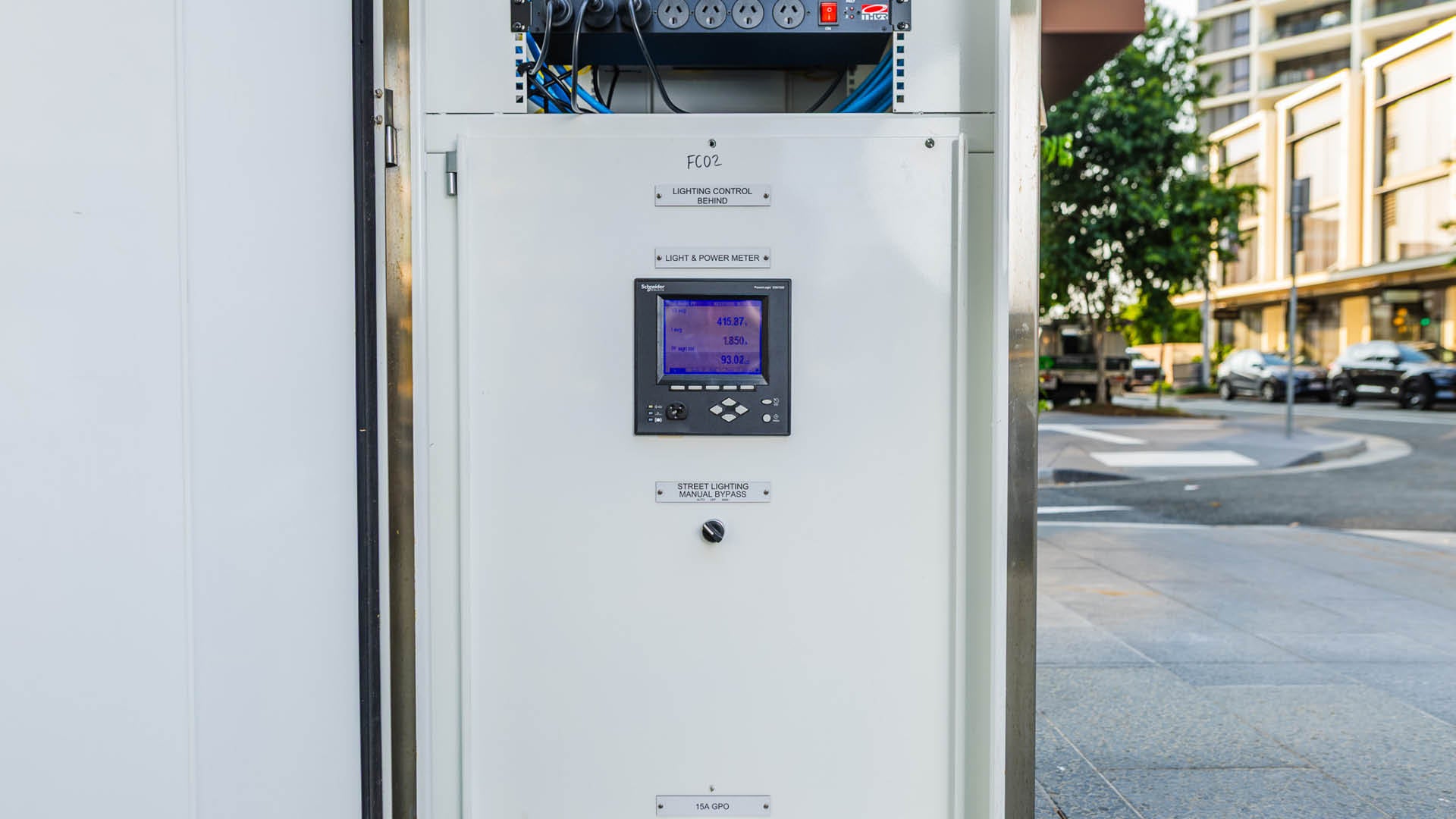 Provide remote management, lighting control, and potential energy savings; for events, pathways or artistic lighting |
|
|
Dark Sky friendly lighting 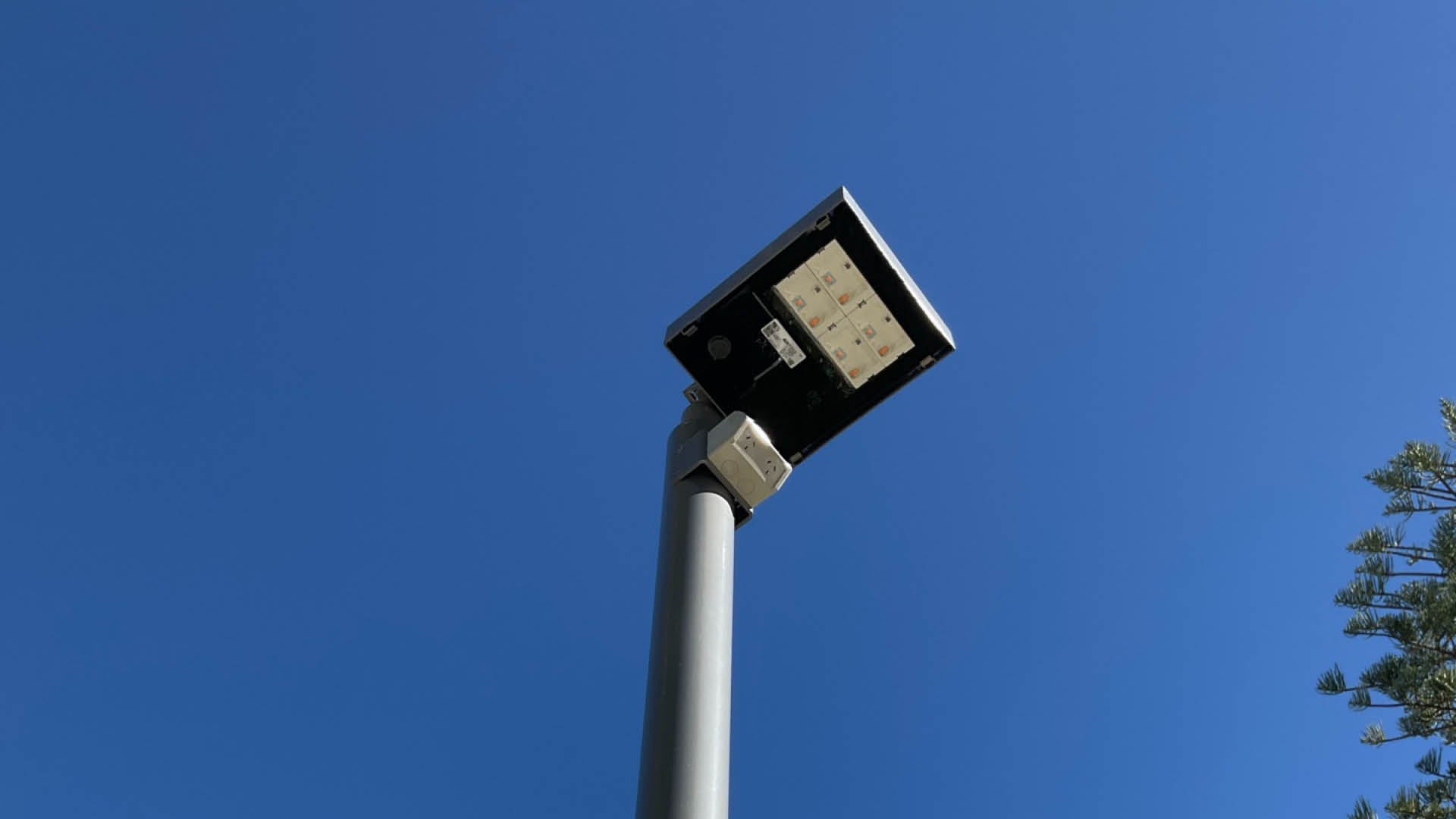 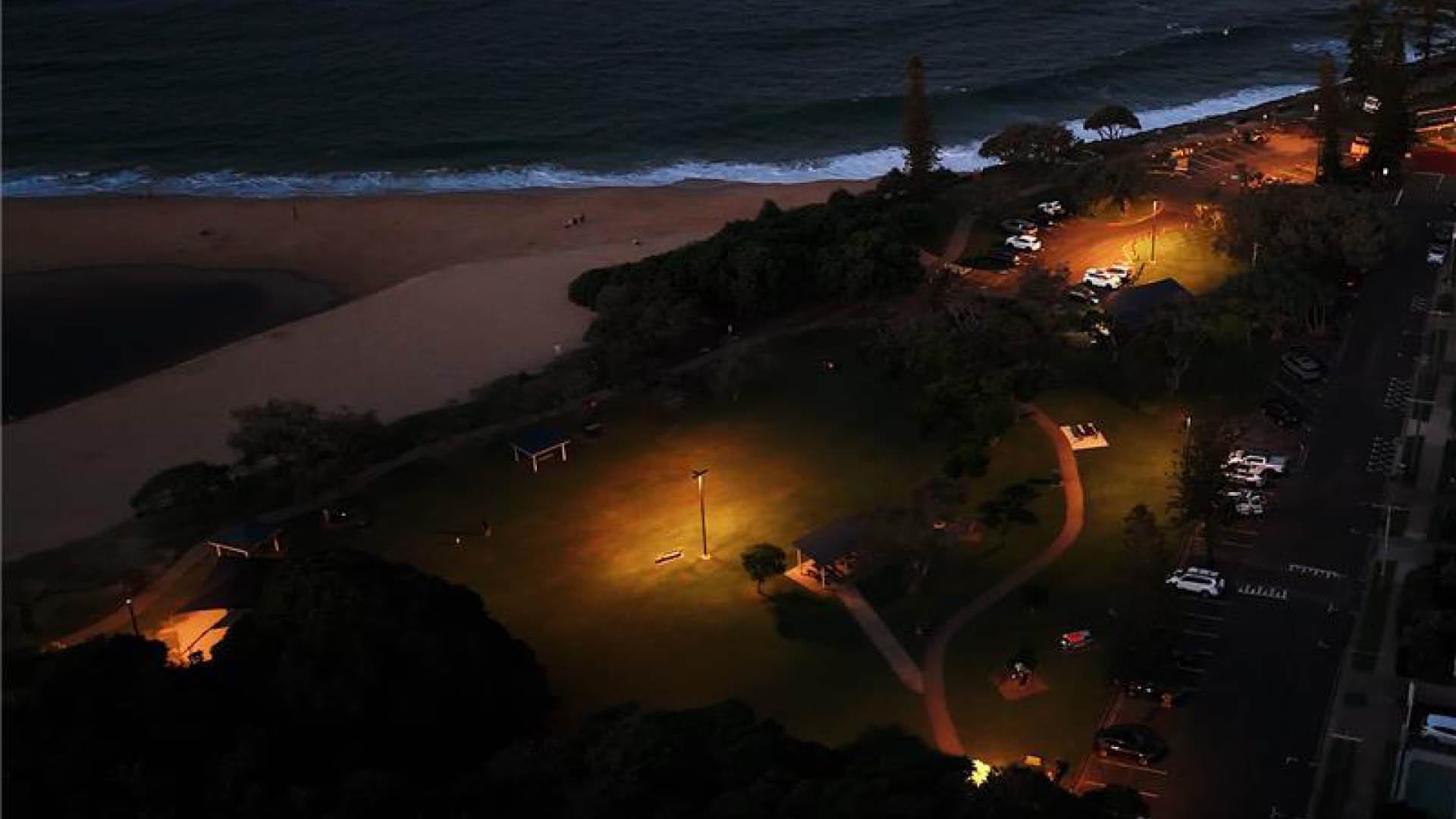 Reduce lighting pollution around public lighting and illuminated signage |
|
|
Luminaires 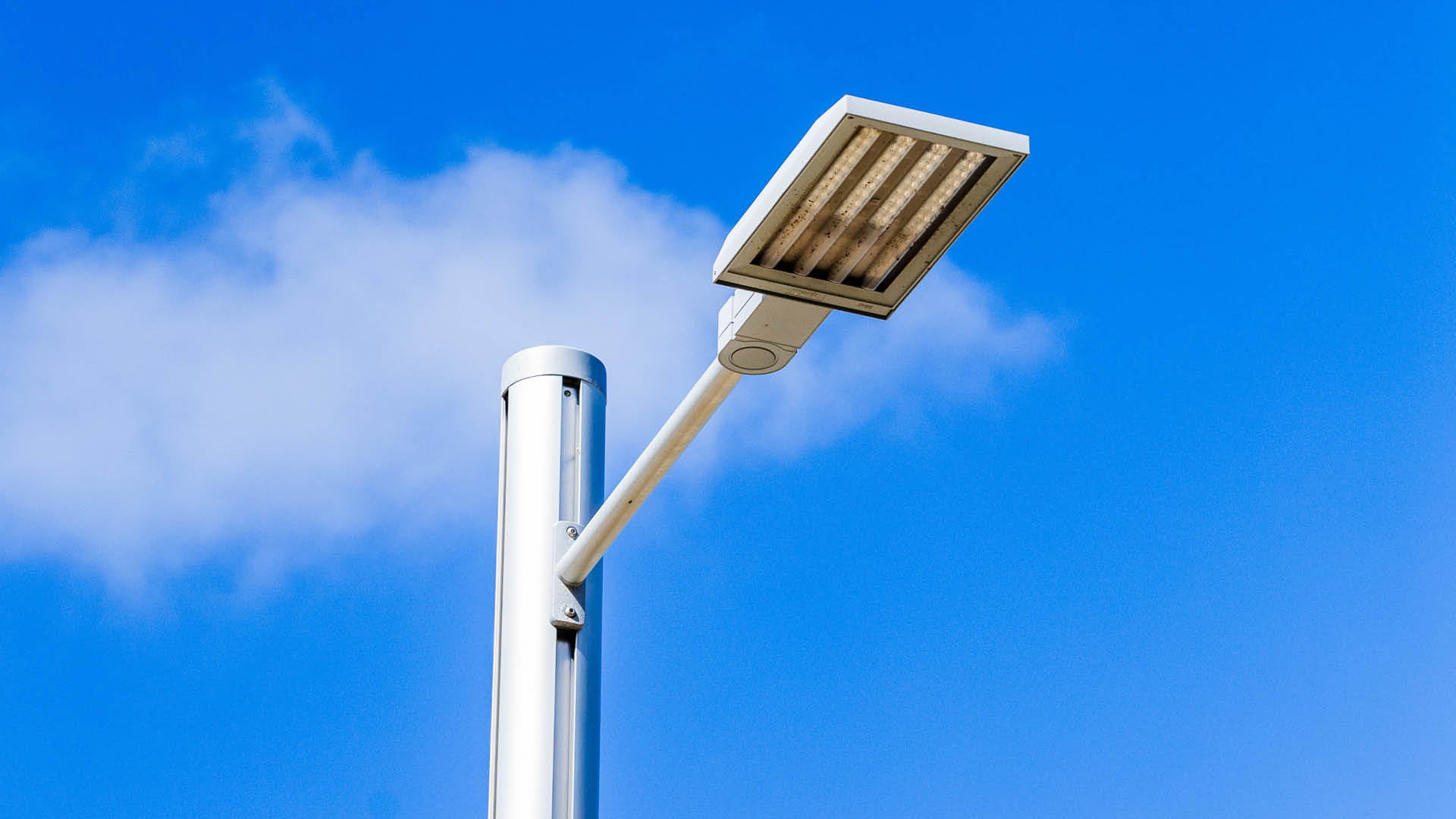 Provide the ability to dim or change colours for events, celebrations or commemorations |
|
|
Remotely controlled artistic lighting 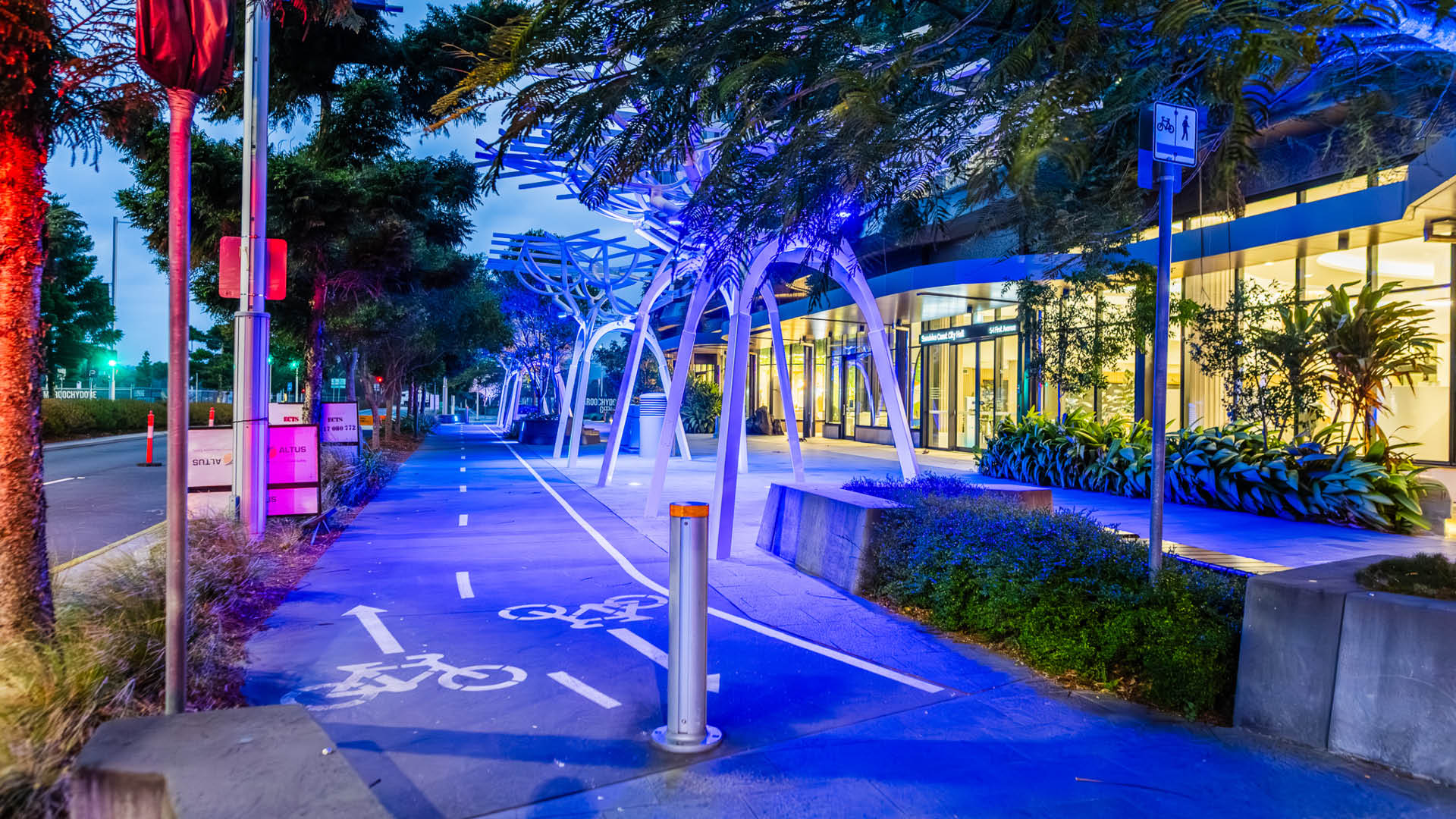 Provide remotely controlled lighting to create interest in outdoor spaces and highlight features such as; significant trees, including multi-coloured LED spot lighting, projection of images on buildings, shapes, pathway colours and uplighting |
|
|
Turtle friendly luminaires 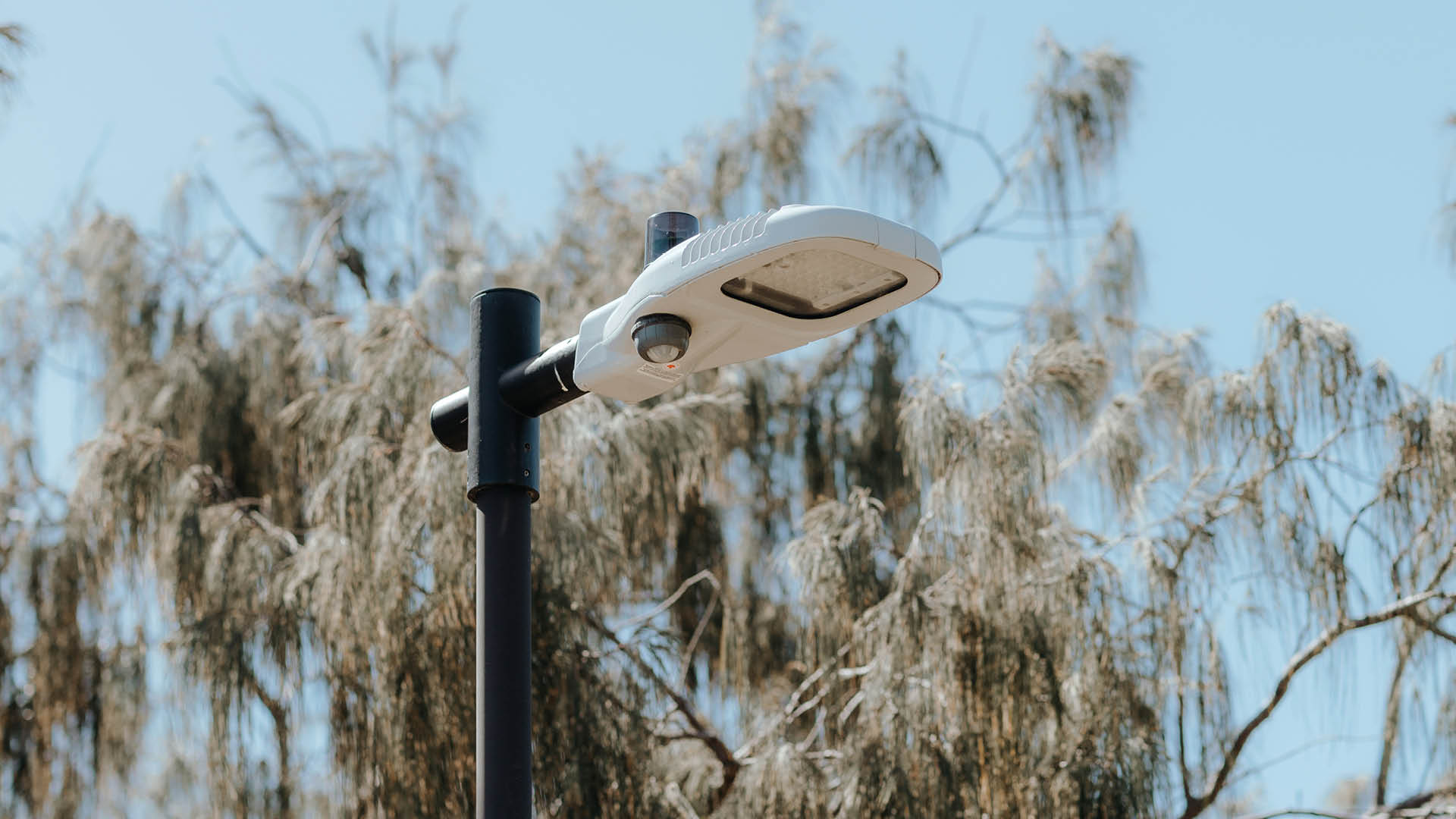 Provide adaptive controls (e.g. smart controls, colour timing, motion activation), to reduce the glow of artificial lights in turtle nesting areas, in order to minimise hatchling disorientation and increase survival rates |
|
|
For further information also refer Sunshine Coast Smart Infrastructure Manual (SIM) Attachment 4 - Advanced smart technologies, and LIM Electrical.
Table 4: Environmental
Infrastructure | Application | Key considerations (for open space application) |
Environmental monitoring station 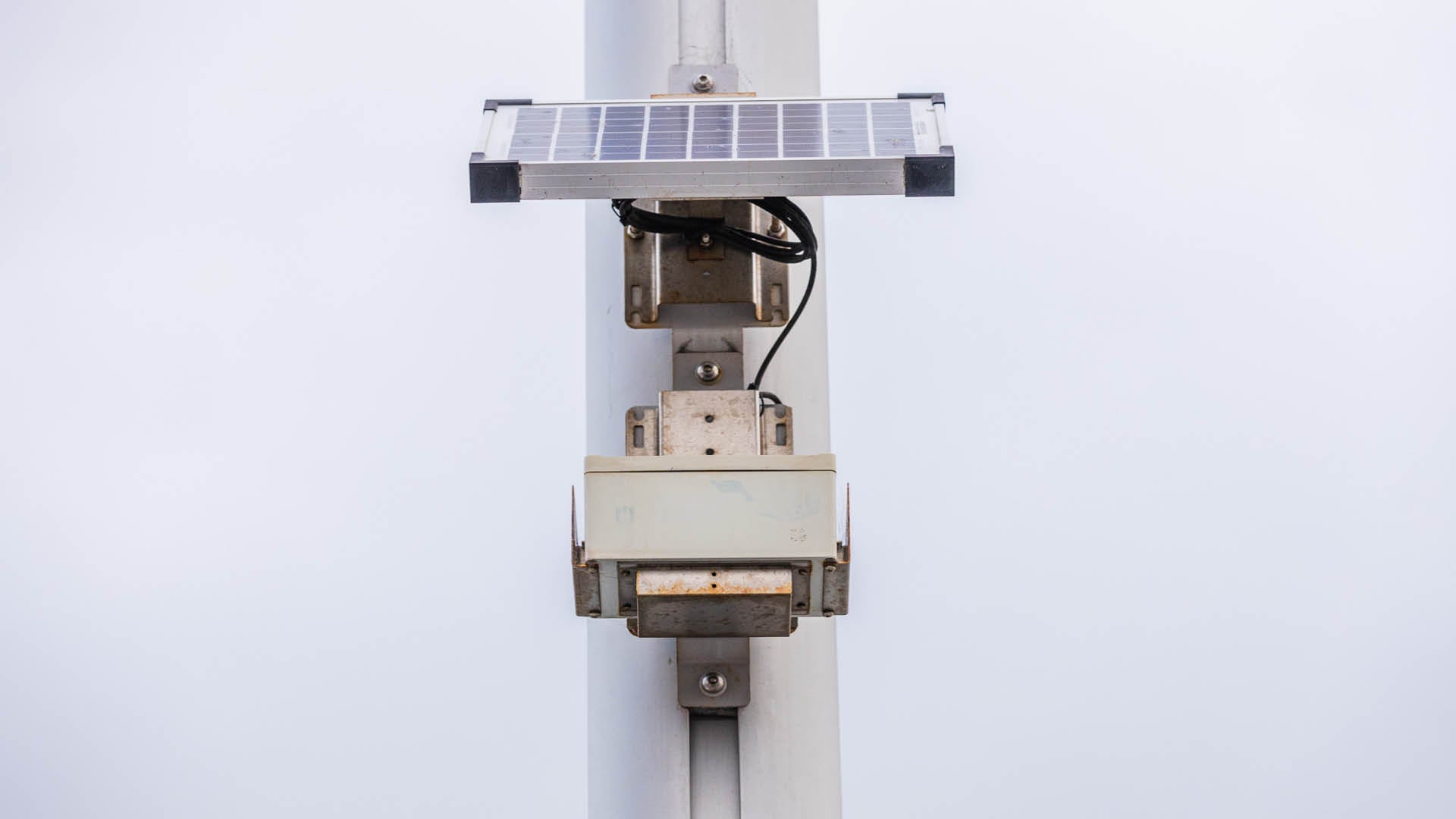 Provides information on air quality, and noise pressure |
|
|
Ambient temperature sensor 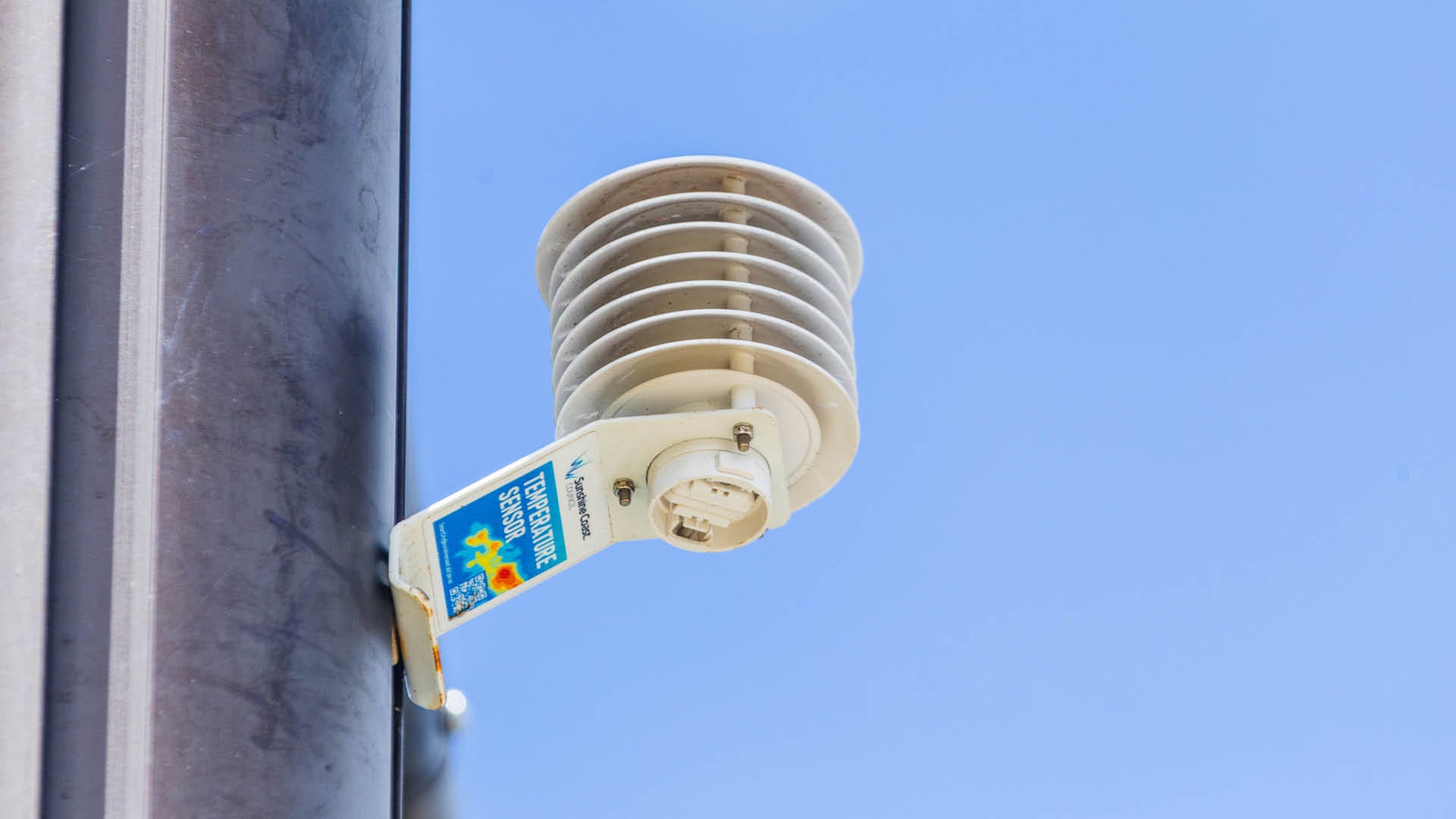 Collects temperature and humidity data |
|
|
Weather stations 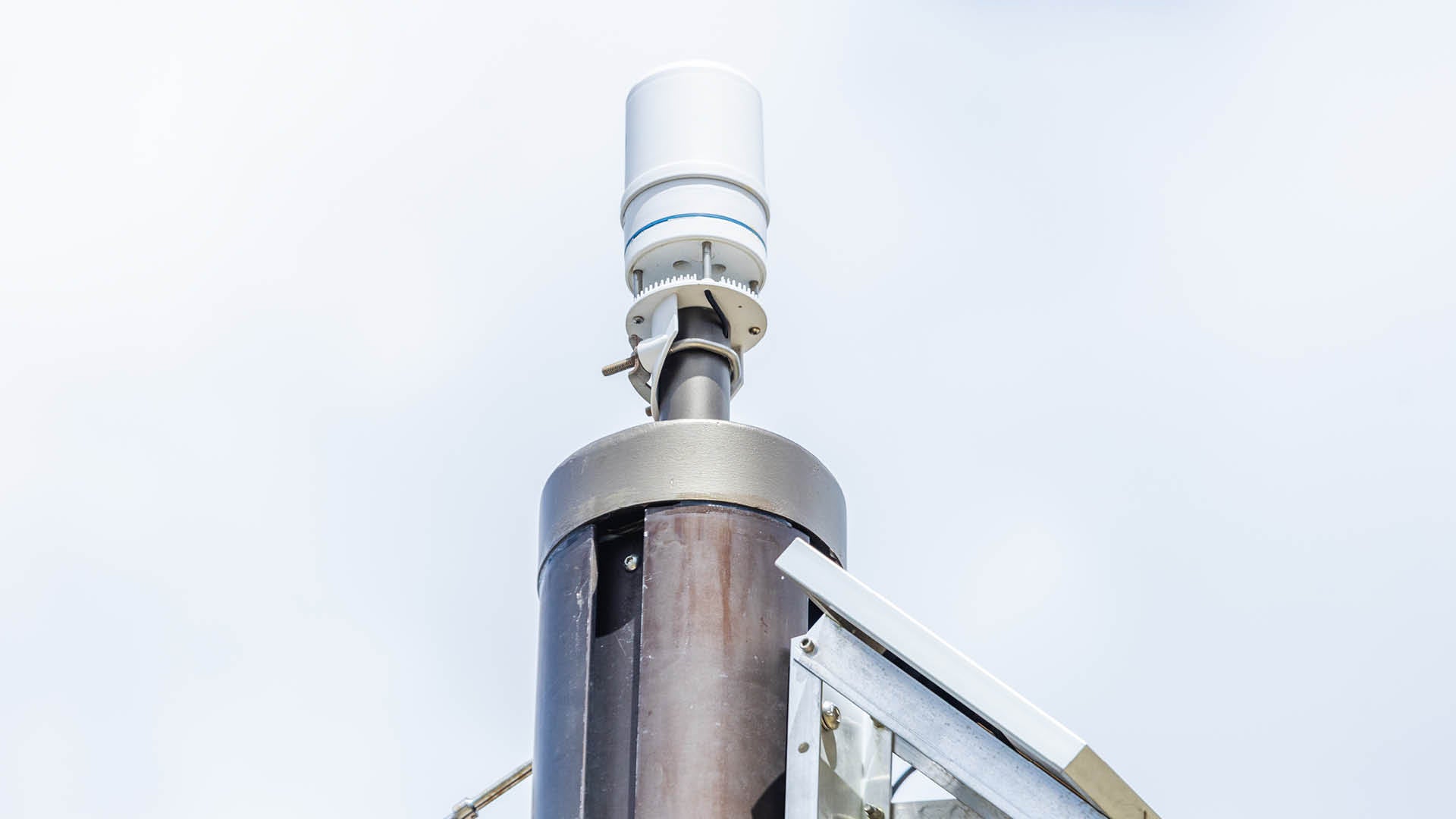 Provide real-time information about wind speed, rainfall and solar irradiance |
|
|
Constructed waterbody water quality sensor 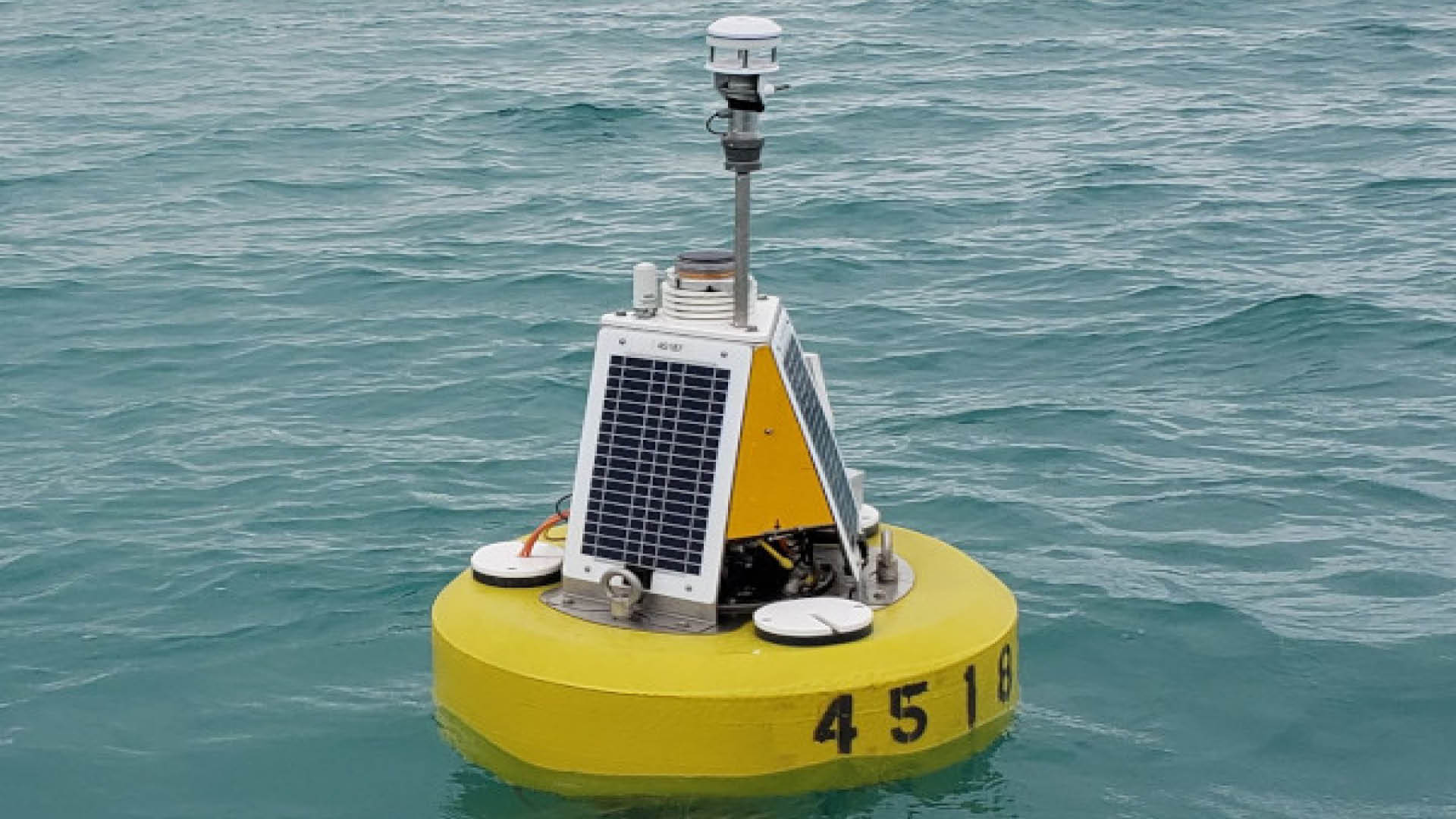 Provides oxygenation, salinity, turbidity and other characteristics that turn water pumps on/off to achieve stabilised water quality within the waterbody |
|
|
Soil moisture sensor 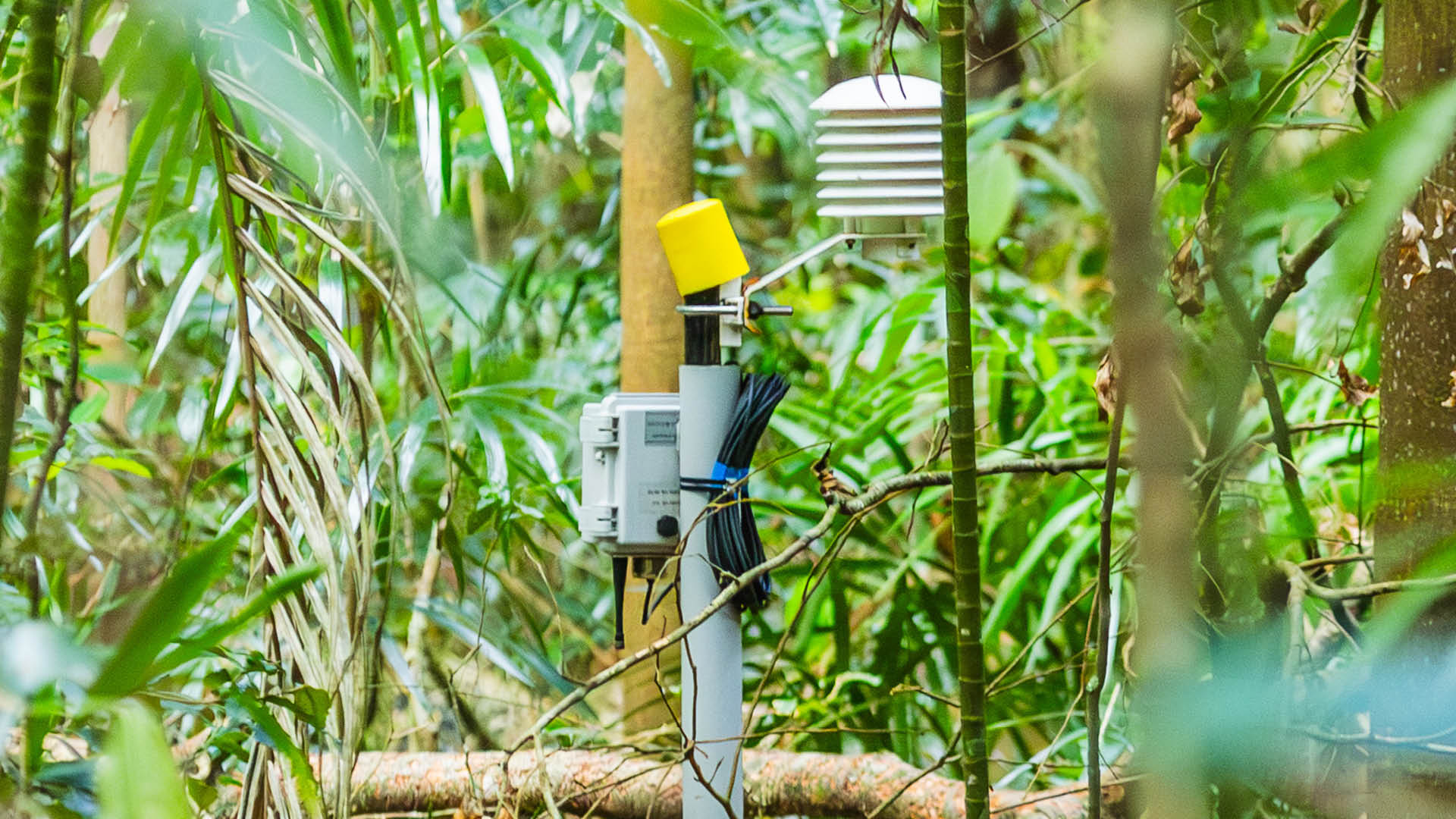 Provides real-time and historical soil moisture data |
|
|
Stream height gauge 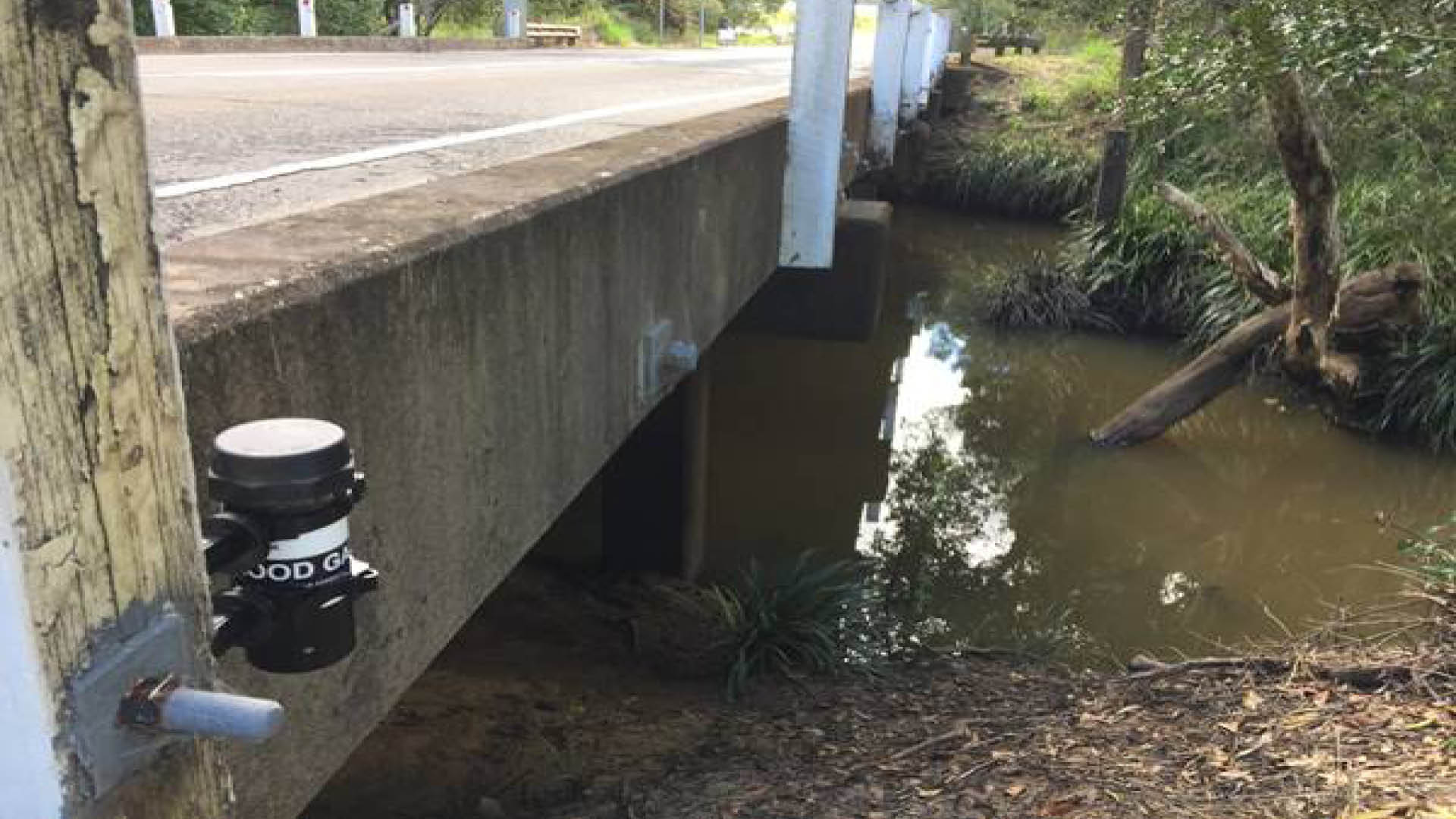 Monitors water levels and sends alerts when roads, bridges or waterways are about to flood |
|
|
Wind speed sensor 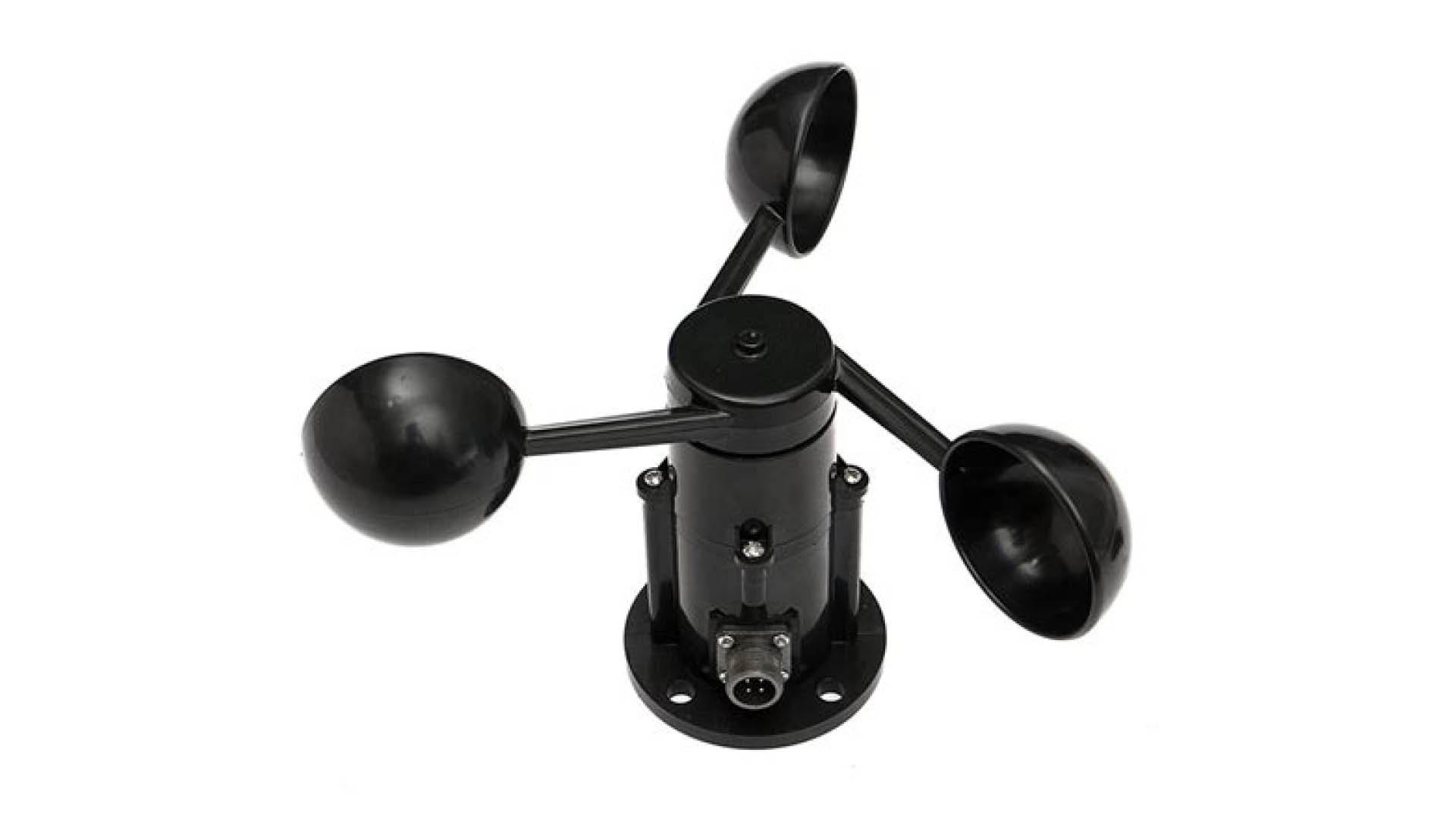 Monitors wind speed and sends alerts for locations relating to significant rain and storm activity to prioritise road closures and open space clean up |
|
|
For further information also refer Sunshine Coast Smart Infrastructure Manual (SIM) Attachment 4 - Advanced smart technologies, and LIM Electrical.
Table 5: Human movement
Infrastructure | Application | Key considerations (for open space application) |
WiFi probe counter 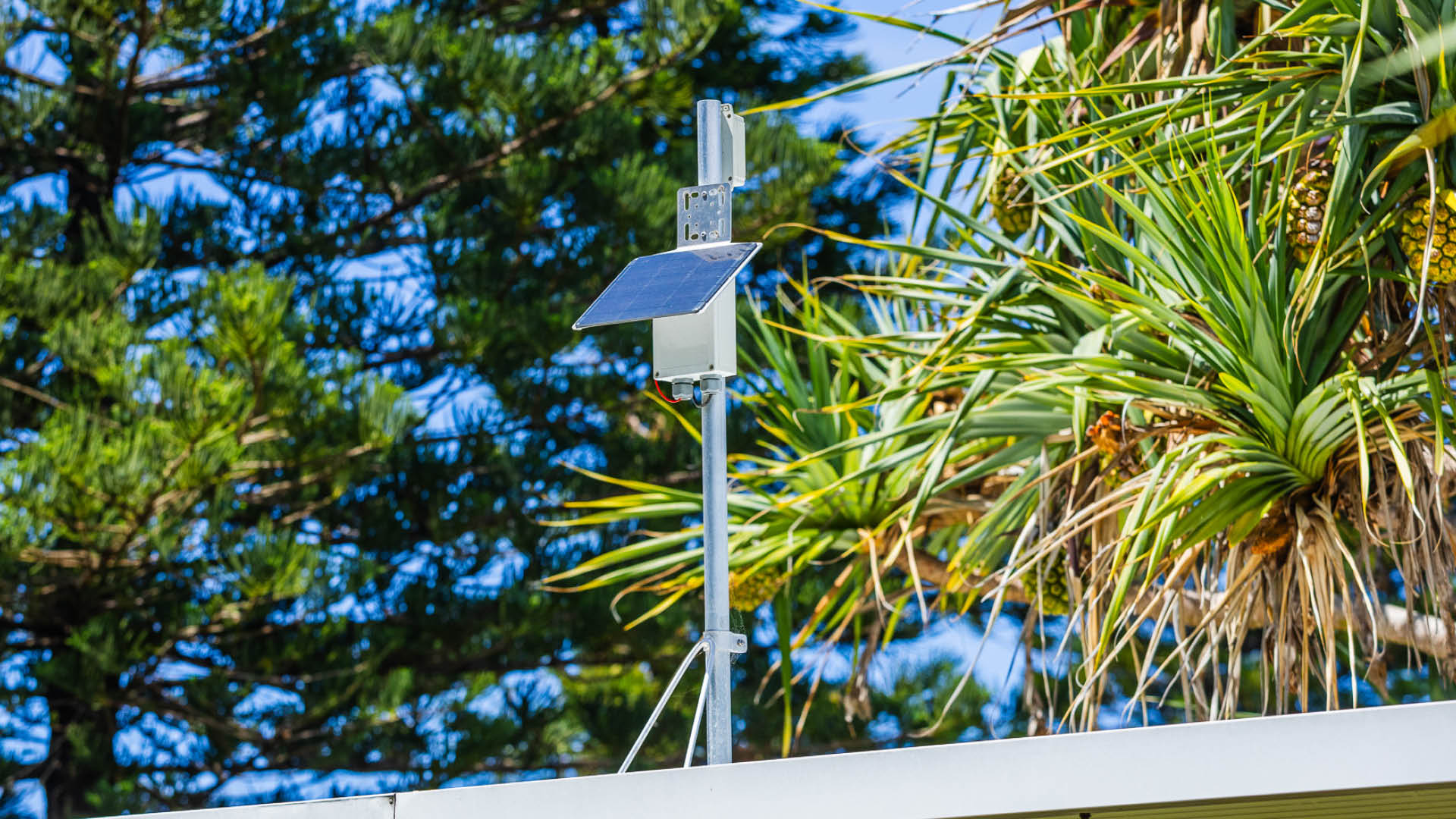 Counts WiFi enabled devices within a zone, including dwell time to help inform open space planning |
|
|
Object detection camera 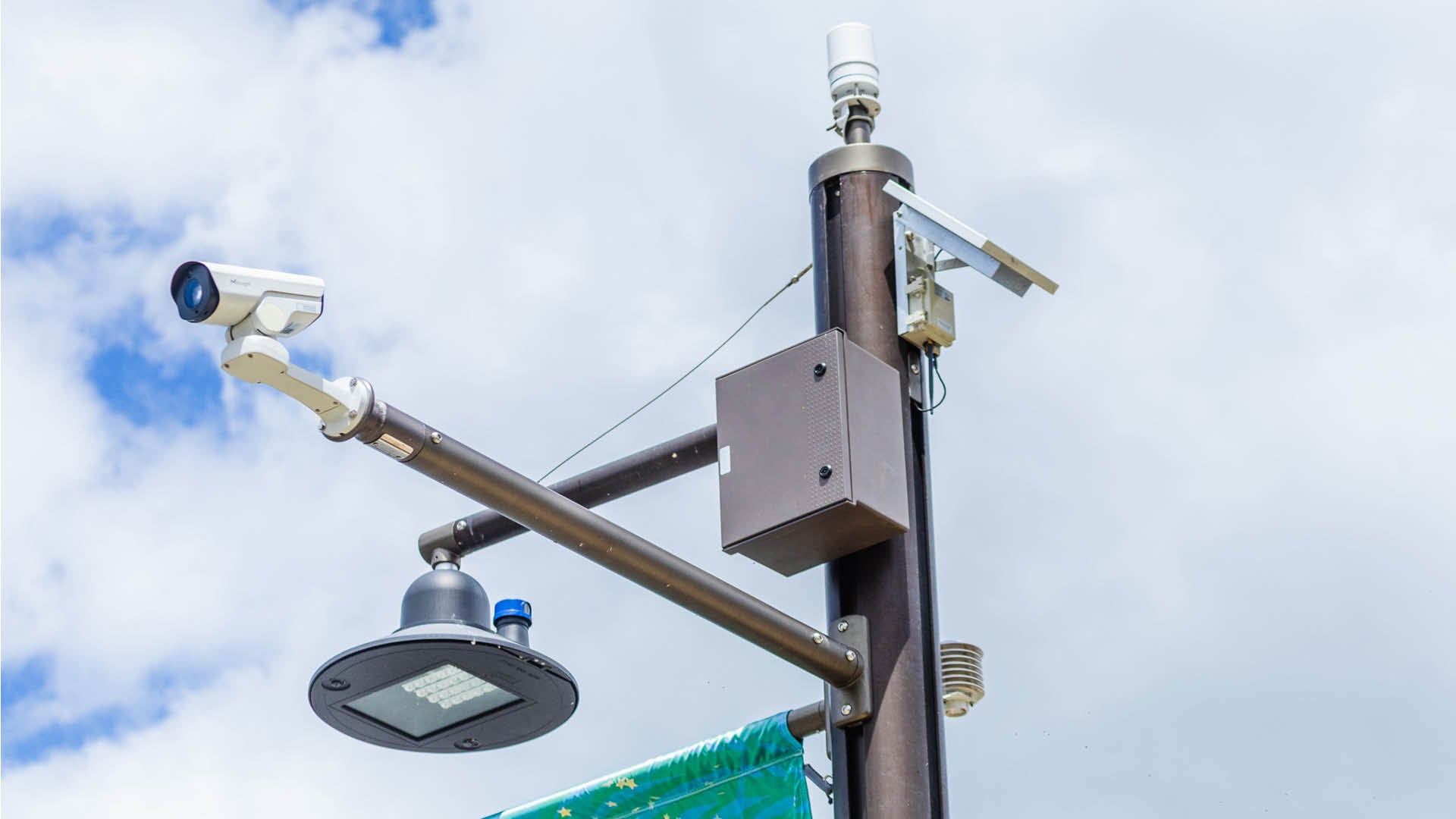 Provides people and vehicle counts and categorisation. No private information is captured by these cameras |
|
|
Parking bay sensors 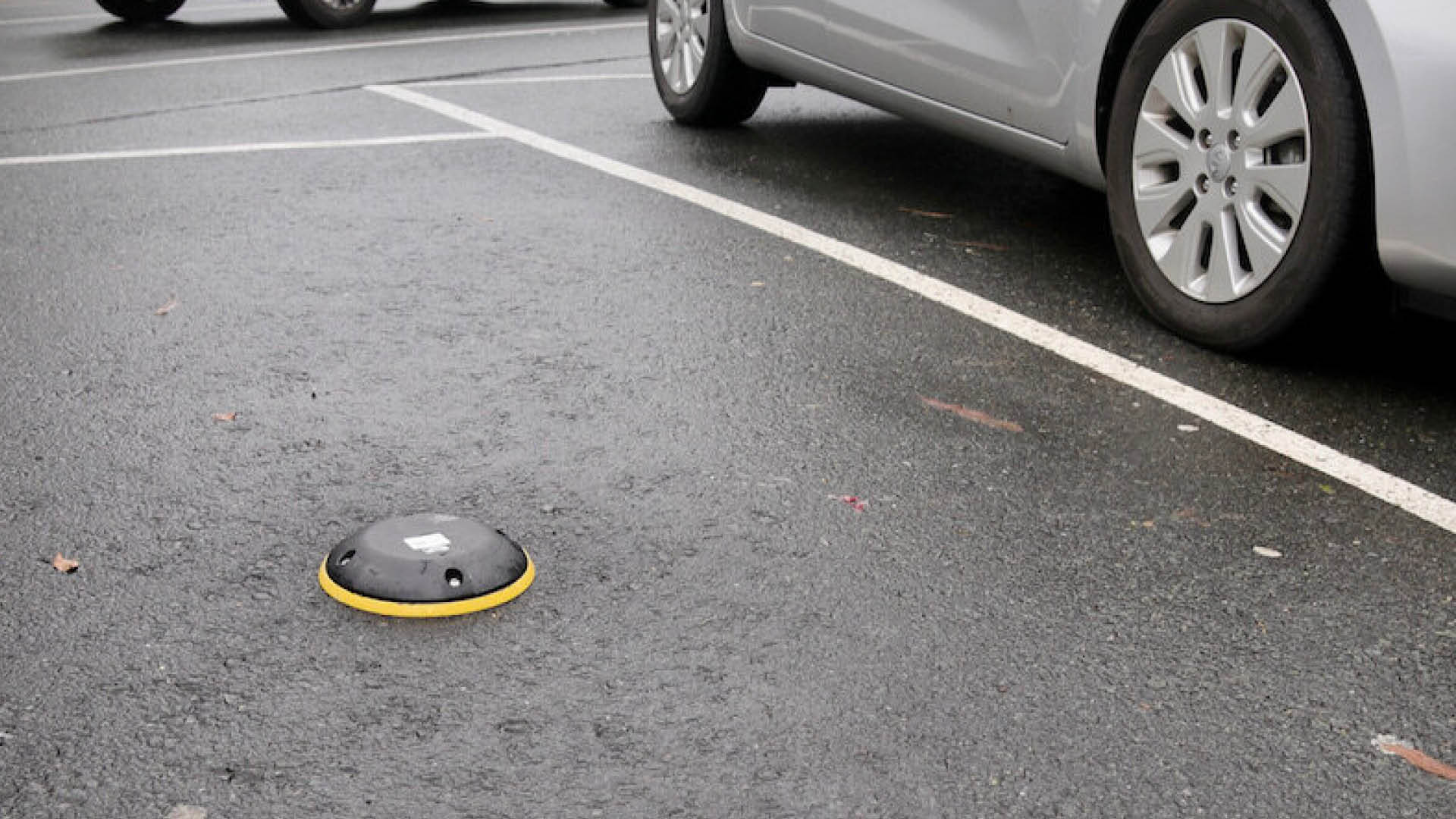 Provide real-time information about how often parking bays are used, how long vehicles stay, and peak times, to help inform open space planning |
|
|
Optical surveillance camera (formerly CCTV) 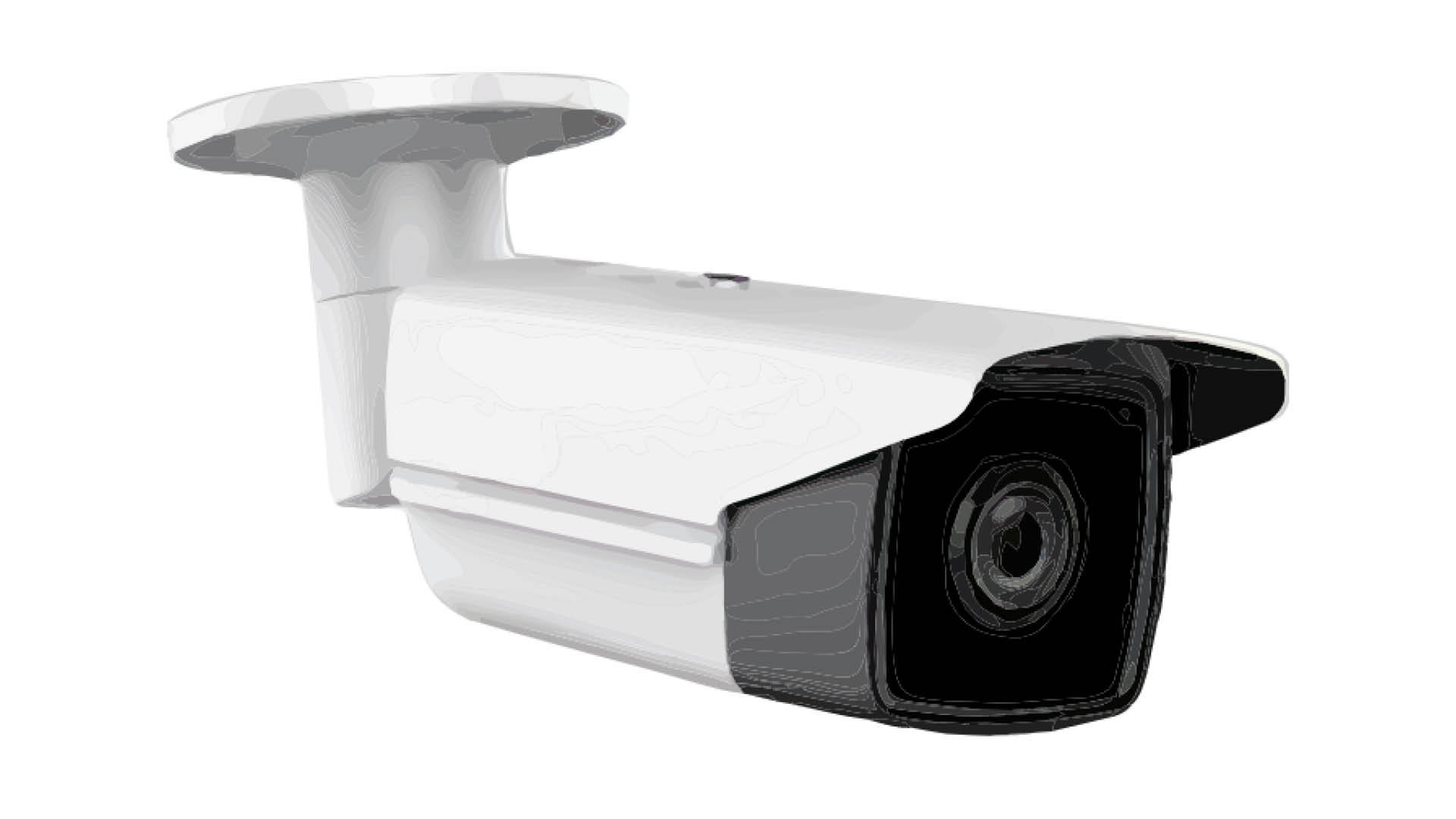 Surveillance purposed to provide enhances safety and risk mitigation |
|
|
Vibration sensor 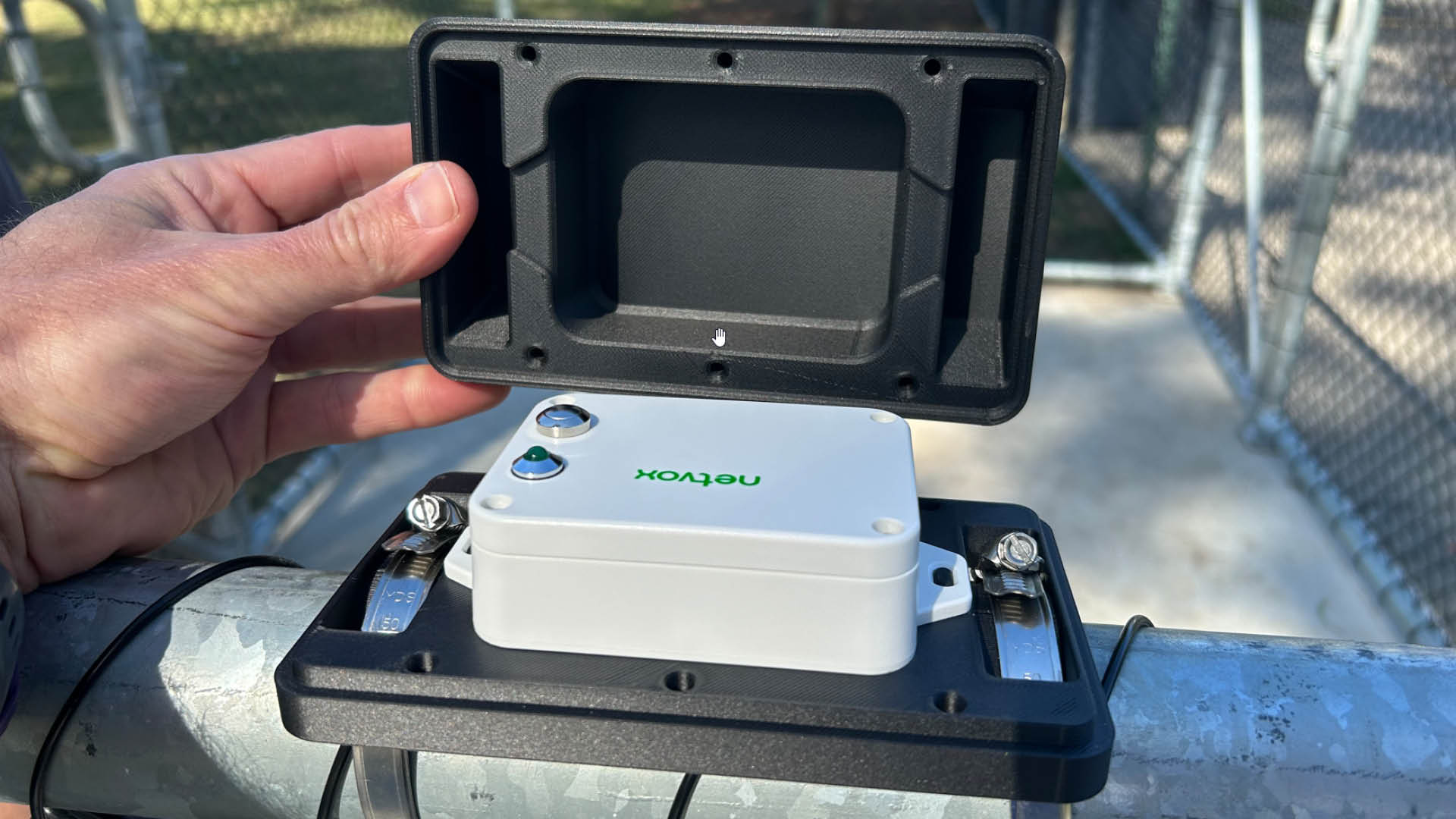 Counts vibrations to inform use of an area/facility, e.g. dog park gate opening/closing |
|
|
Passive infrared (PIR) motion sensor 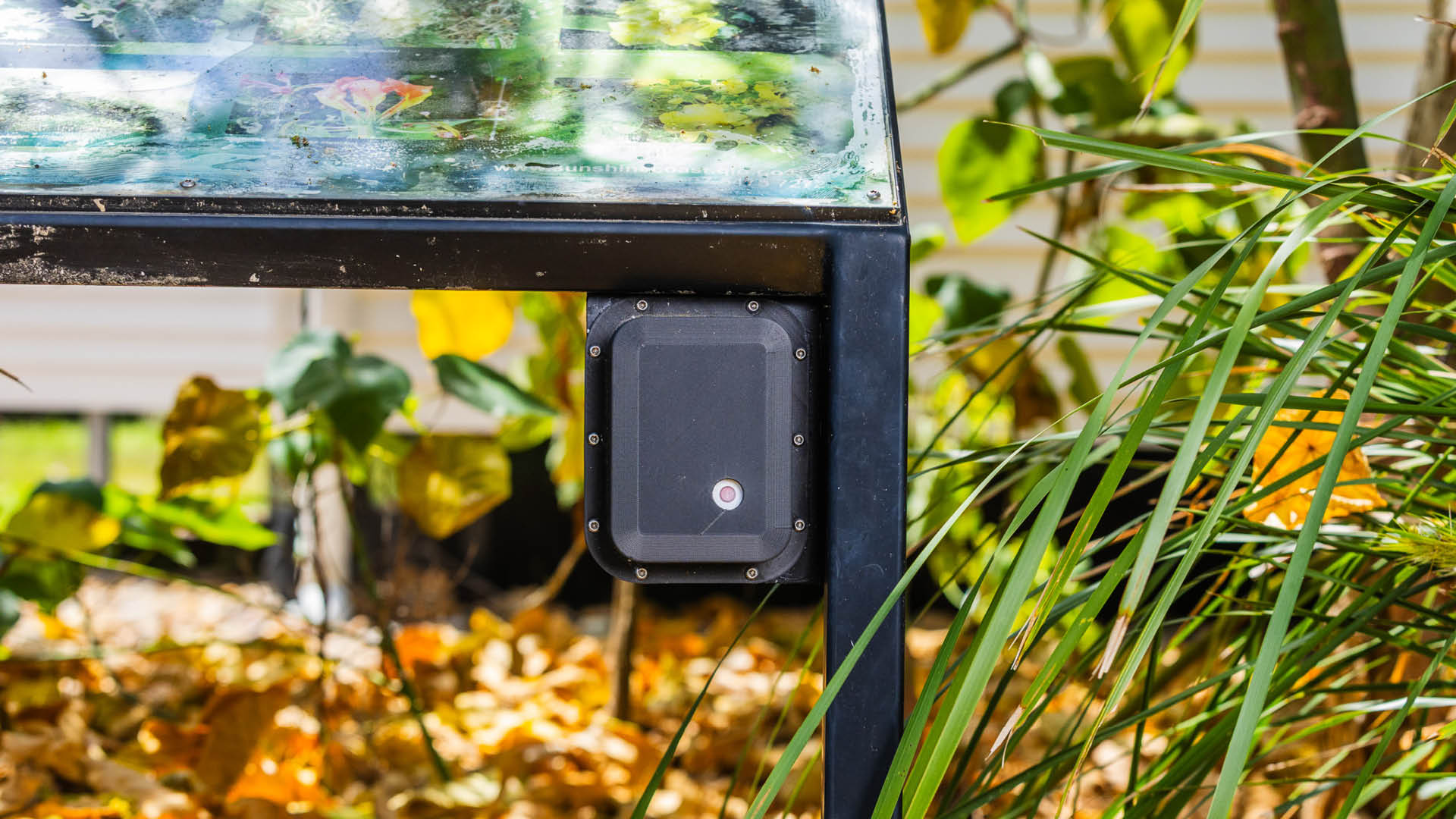 Counts number of passing people (one directional) Counts movement of people in both directions |
|
|
For further information also refer Sunshine Coast Smart Infrastructure Manual (SIM) Attachment 4 - Advanced smart technologies.
Table 6: Digital controls and remote monitoring
Infrastructure | Application | Key considerations (for open space application) |
Barbecue use sensor 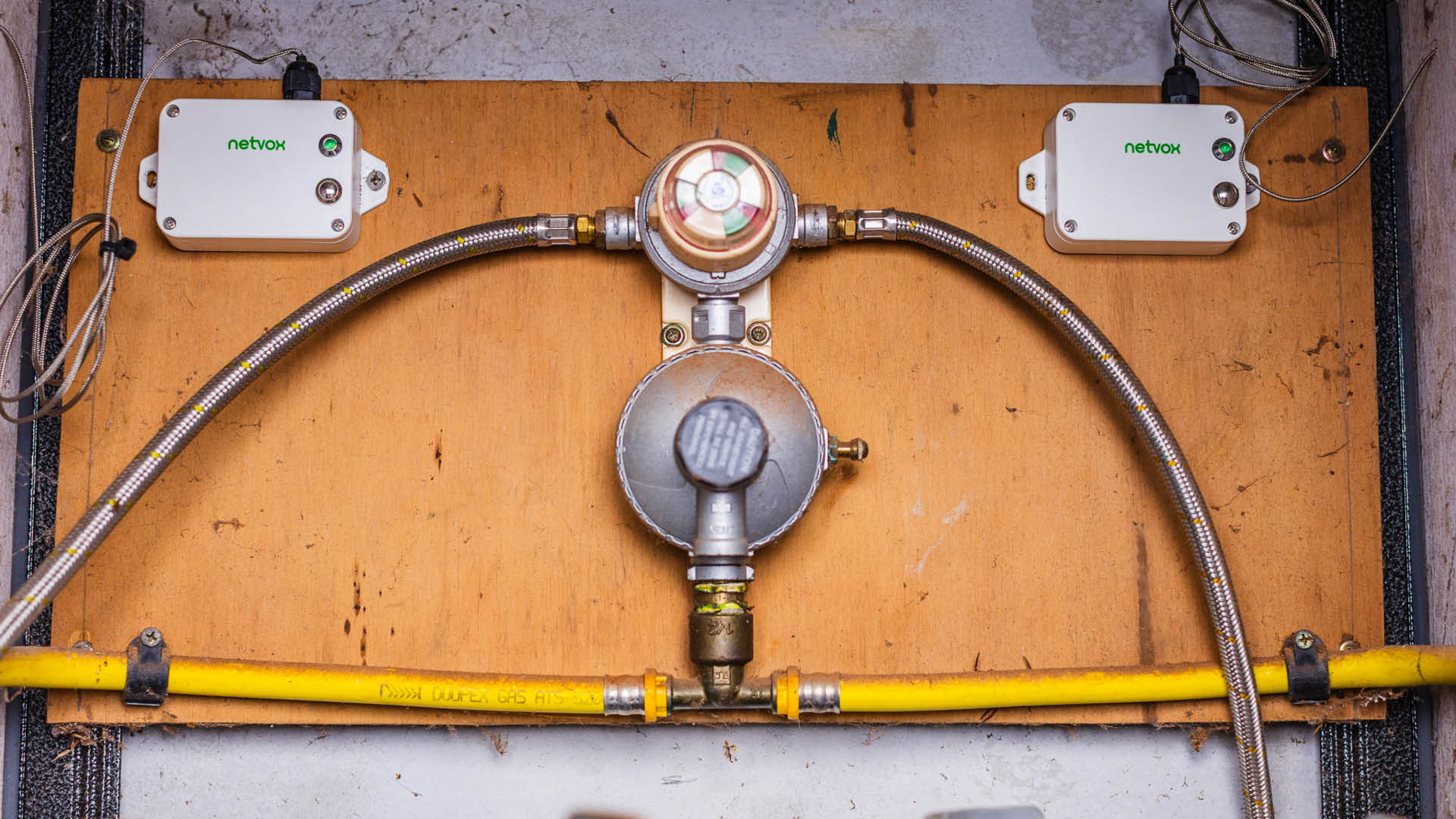 Monitors use and power consumption Electrical/mechanical fault alerts to inform management services |
|
|
Waste bin fill level sensor 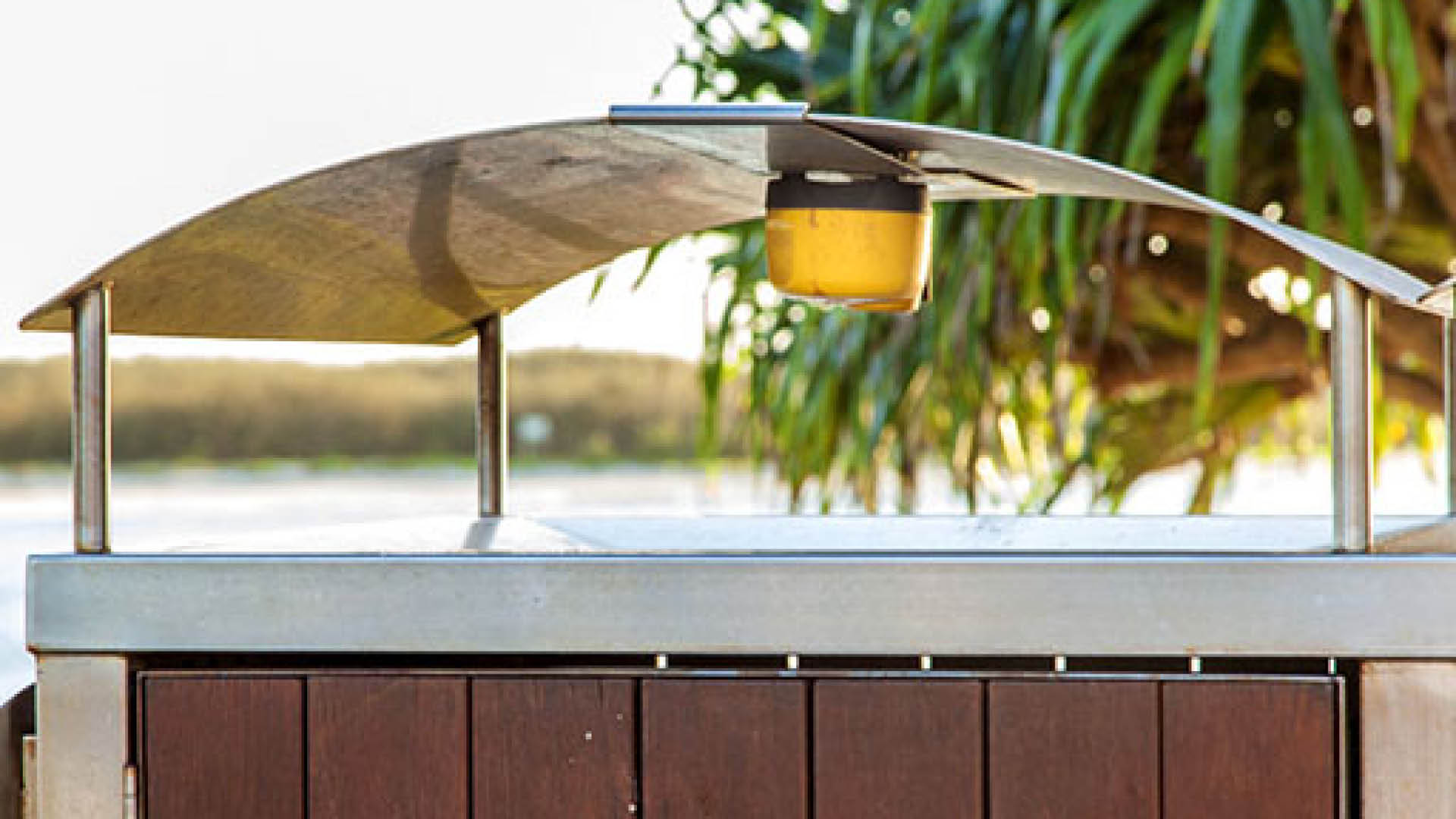 Monitors usage Determines waste level in bins to inform management services |
|
|
Water flow and rain sensor 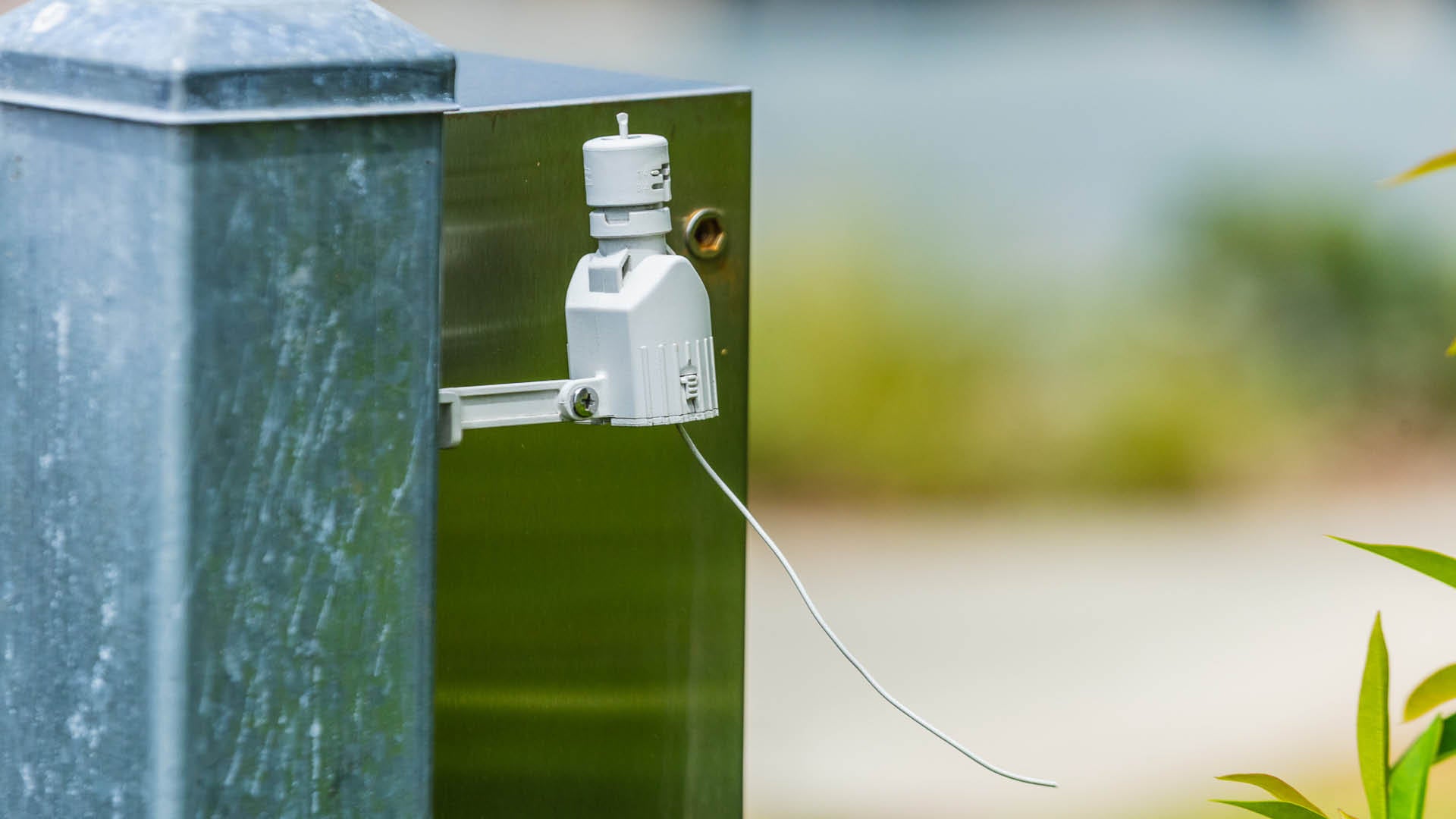 Monitor water usage Detect leaks/blockages Minimise under and over watering of landscaped areas Centralised controlled system Triggers repairs Shuts off irrigation when it rains |
|
|
Wildlife monitoring camera 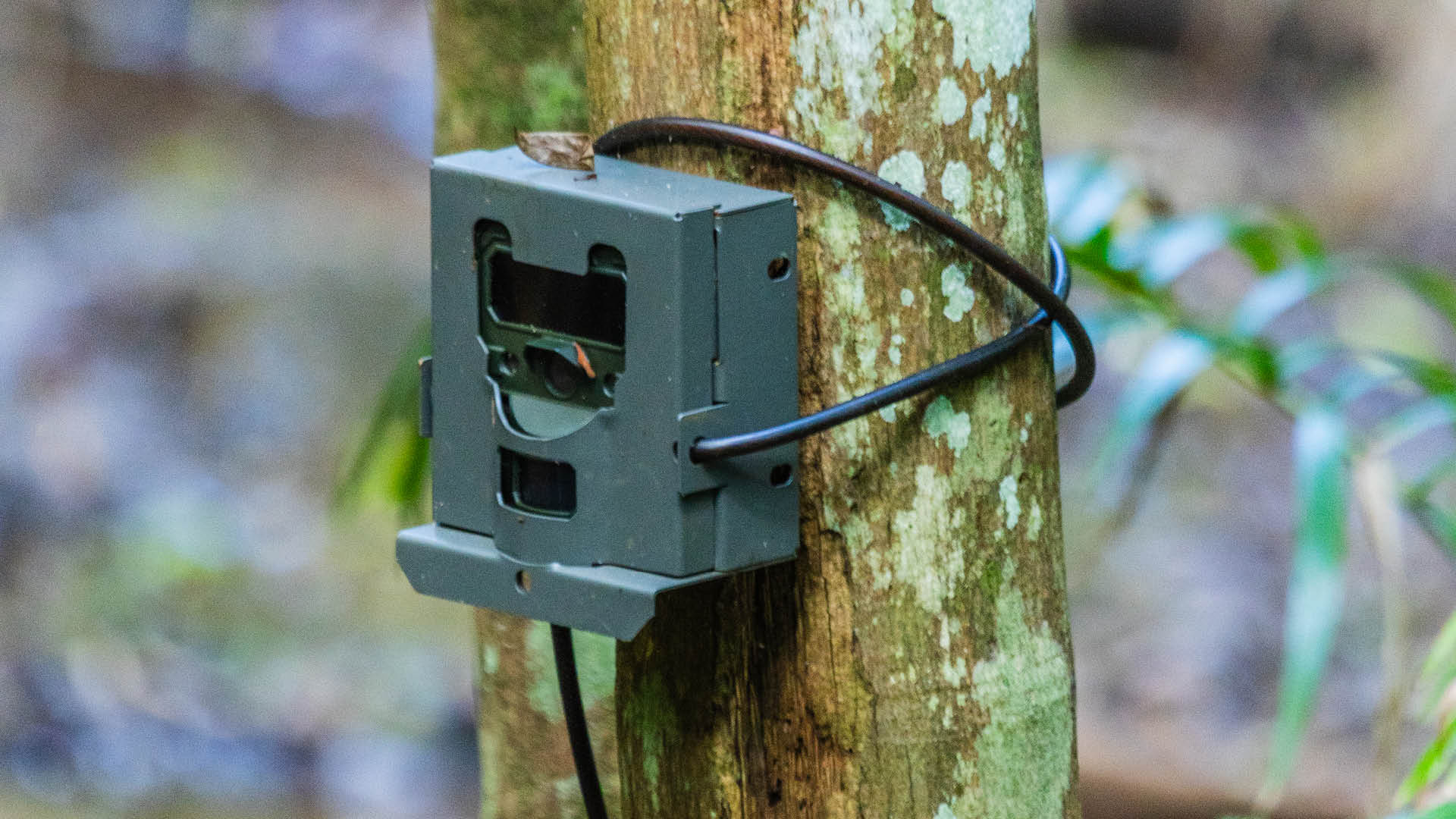 To identify the type of fauna, number and time of day they move across a location |
|
|
Virtual fauna fence 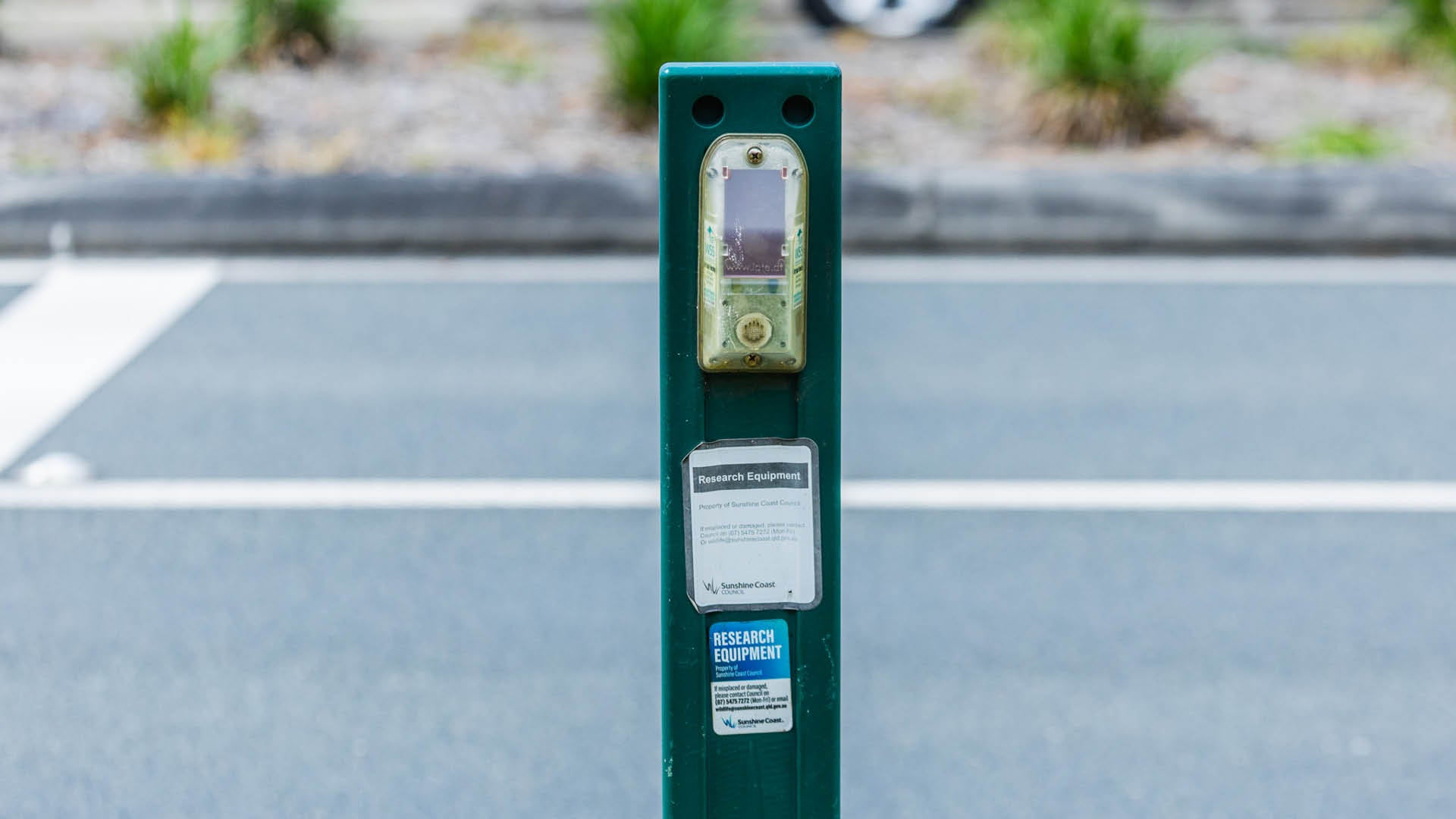 To deter (by making a sound) fauna from crossing major roads |
|
|
For further information also refer Sunshine Coast Smart Infrastructure Manual (SIM) Attachment 4 - Advanced smart technologies, and LIM Electrical. Also refer LIM Bins for Waste bin fill level sensor, LIM Showers for Water use sensor, LIM Irrigation for Water flow and rain sensor and LIM Environmental management of fauna and flora for Fauna motion sensor and Virtual fauna fence.
This component is currently in development