Environmental management of fauna and flora
Biosecurity
Guidelines and regulations regarding biosecurity
Invasive plants and animals
The well being and health of animals, people and the environment are inextricably linked. Design of open space must take into account biosecurity matters, to minimise the introduction of invasive plant and animal species.

Invasive plants and animals impact the region's natural environments, agriculture and production areas, and community and residential areas.
They have the potential to:
- degrade the region's natural bushland and aquatic environments;
- reduce scenic and amenity values;
- cause harm and health issues;
- reduce the function and values of community open spaces; and
- impact on the productivity, damage infrastructure and increase land management costs.
Managing invasive plants and animals is often challenged not only by the distribution and abundance of invasive species, but also limited resources, control measures and available data.
To ensure the most effective and efficient invasive species management is delivered, it is essential that the highest priority invasive species, with the most feasible management approach, are targeted.
Biosecurity Act 2014
Invasive (or pest) animals and plants are introduced or exotic species that have caused, or have the potential to cause, detrimental impacts to the region's natural environments, agriculture and production areas, and community and residential area.
In accordance with the Queensland Government, invasive animals and plants have been divided into the following categories:
- Prohibited invasive animals and plants – these invasive animals and plants are not present in Queensland, and have the potential to threaten primary industries, the natural environment and human health. They must be reported to Biosecurity Queensland within 24 hours.
- Restricted invasive animals and plants – restricted invasive animals and plants are established in Queensland and threaten primary industries, the natural environment and human health. These animals and plants require management to prevent or minimise the biosecurity risk posed by their presence.
Biosecurity obligations relating to fauna and flora
Under Queensland's Biosecurity Act 2014, all landowners (including state and local government) are responsible for invasive plants and animals on property under their control.
The clearing, control and movement of declared animals and plants must be managed appropriately and in accordance with any requirements and/or permit issued by Biosecurity Queensland.
Under the Biosecurity Act 2014 and the Biosecurity Regulation 2016, all Queensland residents have a 'general biosecurity obligation' (GBO) to manage any pest, disease or contaminant that is under their control, or that they should reasonably be expected to know about.
The Act requires everyone to take all reasonable and practical steps to minimise the biosecurity risks associated with invasive animals and plants under their control.
For further guidance and information, see the Queensland Government's Business Queensland and the Department of Agriculture and Fisheries Biosecurity website.
A local government must have a biosecurity plan for invasive biosecurity matter for its local government area.
Sunshine Coast Biosecurity Plan 2024
Sunshine Coast Biosecurity Plan
The Biosecurity Plan includes information to assist landholders with invasive species management. The Plan presents the highest priority invasive plants and animals for the Sunshine Coast.

The Plan, prepared in accordance with the Queensland Government Biosecurity Act 2014, provides a framework for the management of priority invasive flora and fauna in the Sunshine Coast local government area.
The Plan applies to all land and waterways within the boundary of the Sunshine Coast local government area, including land owned and controlled by the Queensland Government, utilities and individuals.
The Plan establishes a framework for cooperative and coordinated management that targets priority invasive biosecurity matter, and defines management responses most likely to succeed with available resources, through a catchment scale management approach. This approach:
- recognises the different communities, land uses and pressures in each catchment;
- allows management responses to be more relevant and targeted;
- integrates and complements other catchment management and planning activities; and
- fosters community ownership and implementation of the Plan.
The Plan also considers other invasive flora and fauna that pose a threat to the Sunshine Coast local government area. These are referred to as "locally significant" invasive fauna and flora, and may include either exotic (not native to Australia) or native species which are not naturally occurring, and are outside of their native range. Based on available knowledge and understanding of these native species, they have been included as they demonstrate, or have the potential capacity to impact adjoining natural environments outside of managed landscapes, e.g. parks and open spaces.
The Sunshine Coast Biosecurity Plan 2024 identifies:
- invasive plants and animals in the Sunshine Coast Council Local Government Area
- priority invasive plants and animals.
The Plan lists invasive animals as priority species for our local government area. These are:
- 'Restricted' invasive animals
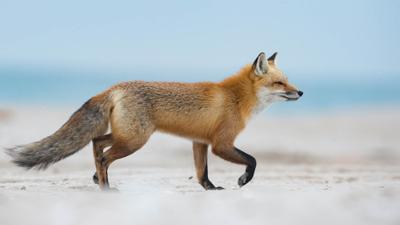
- European fox
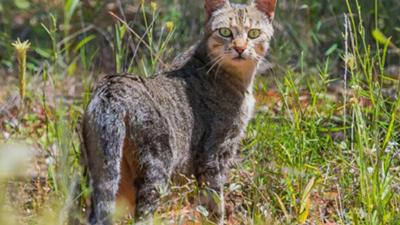
- feral cat
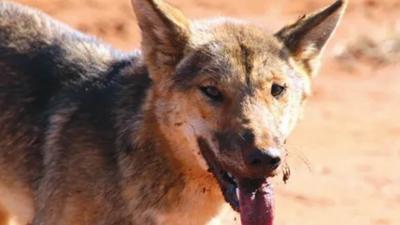
- feral dog (including wild dogs and dingoes)
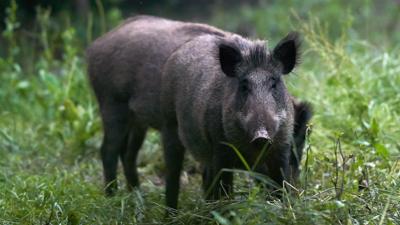
- feral pig
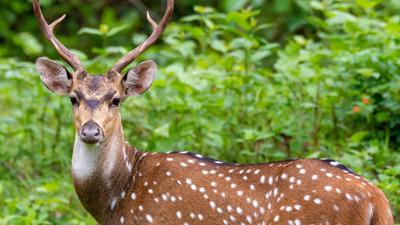
- feral deer (including rusa, red and fallow deer).
- 'Locally significant' invasive animals
- Indian myna.
Pests and diseases
Pests and diseases have the capacity to damage Australia's unique natural environment, affect food production and agriculture industries, negatively impact on the forestry industry, and could impact on the thousands of people employed by the horticulture industry. Pests and diseases can restrict the growth of, and compete with, more desirable species in our open spaces.
Notifiable pests and diseases
Under Queensland legislation, a number of pests and diseases are of such concern to biosecurity that they are 'notifiable'. This means there is a legal requirement to report sightings or occurrences of biosecurity events to the Department of Agriculture and Fisheries (DAF).
- For a full list of notifiable pests see Schedule 2 - Notifiable pests in the Plant Protection Regulation 2002 on the Queensland Government’s legislation website.
- For further guidance and information on priority plant pests and diseases, refer to the Department of Agriculture and Fisheries Biosecurity website and the Sunshine Coast LGA Biosecurity Plan 2017.
Weed hygiene
Landowners, land managers, residents and industry should follow weed hygiene practices to minimise the spread of invasive plant species into new areas. This may involve:
- cleaning of equipment (boots, clothes, machinery, vehicles)
- cleaning of off-road vehicles
- minimising or avoiding driving through weed infested areas
- use of a clean down facility.
For further guidance on weed hygiene practices, contact Biosecurity Queensland.
The Council Feral Animal Prevention and Control Program 2021-22
Sunshine Coast Council Feral Animal Prevention and Control Program 2021-22
Council has resolved to conduct a biosecurity program with the Program in accordance with section 235 of the Biosecurity Act 2014, within the whole of the Sunshine Coast local government area.
Sunshine Coast Council Feral Animal Prevention and Control Program 2021-22
text/html
In accordance with the Biosecurity Act 2014, Council has resolved to conduct a Biosecurity Program - Feral Animal Prevention and Control Program within the Sunshine Coast local government area. This entails a prevention and control program for the following:
- Invasive biosecurity matter - invasive animals that are prohibited or restricted matter such as feral dogs and dingos (other than a domestic dog), feral pigs, feral goats, feral cats, feral deer, European foxes and European rabbits
- The invasive animal Indian myna, which is not a declared prohibited or restricted animal, but has been classified as a "locally significant" invasive animal under the Act.
This is consistent with the Sunshine Coast LGA Biosecurity Plan 2017.
Design considerations:
- If an invasive animal species is identified on site, refer to Sunshine Coast Feral Animal Prevention and Control Program.
- Examples of feral animal prevention and control include:
- Install fauna fencing
- Plant suitable species
- Install education signage
- On-site management of pest animal species.
Native fauna in urban areas
To minimise operational issues, various design considerations can be used to discourage nuisance behaviour in native fauna on project sites.

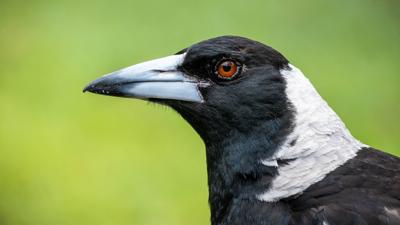
Council has developed a Natural Areas Management - Aggressive Bird Response procedure to manage aggressive bird complaints (e.g. swooping birds) within the Sunshine Coast Council local government area.
See Council's Defensive and nesting birds website for further information.
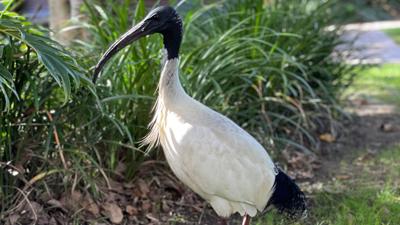
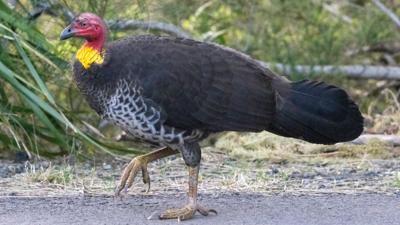
Due to their "nuisance" behaviours, some native fauna can be mistakenly referred to as pests in some situations. As development encroaches on existing fauna habitat, the onus is on people to tolerate the integration of nature.
All native birds, reptiles, amphibians and mammals (except dingoes) are protected by the Nature Conservation Act 1992. It is unlawful to take, kill, injure or trap protected native fauna unless authorised. In some circumstances, management of certain species may be required.
The Queensland Parks and Wildlife Service is responsible for the management of native fauna. On Council controlled land, as the landholder, Council is responsible for fauna management.
Design considerations:
- Plant species selection to minimise human conflict with fauna species
- Plant low-fruiting species to discourage the prevalence of animals in certain areas.
- Install education signage.
- On-site management of native fauna in urban areas.
- Waste management e.g. install waste bins in secure enclosures.
Note: Flying-foxes
Although some residents living near established or emerging flying-fox roosts may be impacted by the noise, smell and droppings of these animals, the species have a conservation status. For further guidance refer LIM Environmental management of fauna and flora - Conservation species management.
Council has a Sunshine Coast Flying-fox Management Plan.
This component is currently in development