Environmental management of fauna and flora
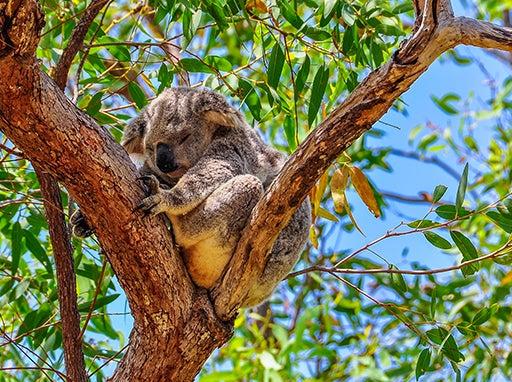
Site planning
Best practice guidance for site planning
Projects should be designed to retain, restore, expand and connect habitat areas in order to integrate environmental design and construction with development.

Biodiversity conservation
Biodiversity conservation seeks to protect and manage not only native fauna and flora, but also the habitat areas upon which they depend. We also rely on our native flora and fauna for the ecosystem services they provide, such as clean air, clean water, productive soils and a moderated climate.
Certain species of fauna and related flora are at risk of extinction due to threatening processes, including the clearing of habitat Some of the key threats to these species are:
- loss, degradation and fragmentation of habitat
- invasive species altered fire regimes
- unsustainable use and management of resources
- changes to the aquatic environment and water flows
- climate change.
Animals rely on certain plant species for food, shelter and protection from predation.
Across the Sunshine Coast Local Government Area, more than 700 native fauna species and 1600 native flora species have been identified, including threatened species that are listed as vulnerable, endangered or critically endangered under Commonwealth and State legislation.
The Sunshine Coast Council region provides important food resources and resting points for migratory species and significant native species, some of which are only found in this area.
Decision framework
Biodiversity conservation strategic direction and policy
The Environment and Liveability Strategy 2017 (ELS) sets the strategic direction and policy to ensure "Our native plants, animals and habitats are healthy, resilient and valued by the entire community". This is supported by a suite of policy positions that, if adhered to and implemented, will significantly contribute to achieving the natural environment desired outcomes.
The ELS has also established a biodiversity target to "maintain the 2016 extent of native vegetation (no net loss of vegetation) by 2041", which is key to evaluating our progress and performance in relation to biodiversity conservation.
For further guidance and policy positions:
Sunshine Coast Environment and Liveability Strategy (ELS)
The ELS contains the DSS for open space and provides a guide to what type of park/reserves are suitable for the various categories of embellishment.

Sunshine Coast Environment and Liveability Strategy (ELS)
text/html
Sunshine Coast Planning Scheme
Sunshine Coast Planning Scheme regulates the way land, buildings and structures are used and developed on the Sunshine Coast.
Site decisions
All decisions relating to environmental management of fauna and flora, must be made in conjunction with council, including Council's Senior Arborist and other relevant officers from SC Parks and Gardens and/or Environmental Operations (determined by site location).
Smart technology
Smart infrastructure must be installed only where appropriate and only when approved by the asset custodian. See LIM Smart technologies for further guidance, including key considerations for installation.
Planning for sustainability
Refer Design principles – Sustainability for guidance.
This component is currently in development