Fences and gates

Design - other options

Guidance on the evaluation and design of alternative solutions to fences and gates

Alternatives to fences

The following alternative options to gates are discussed in further detail in the table below.  

  • Barrier planting
    • Planting of trees, shrubs and ground covers
    • Strategic tree planting (with stakes) or tree guards
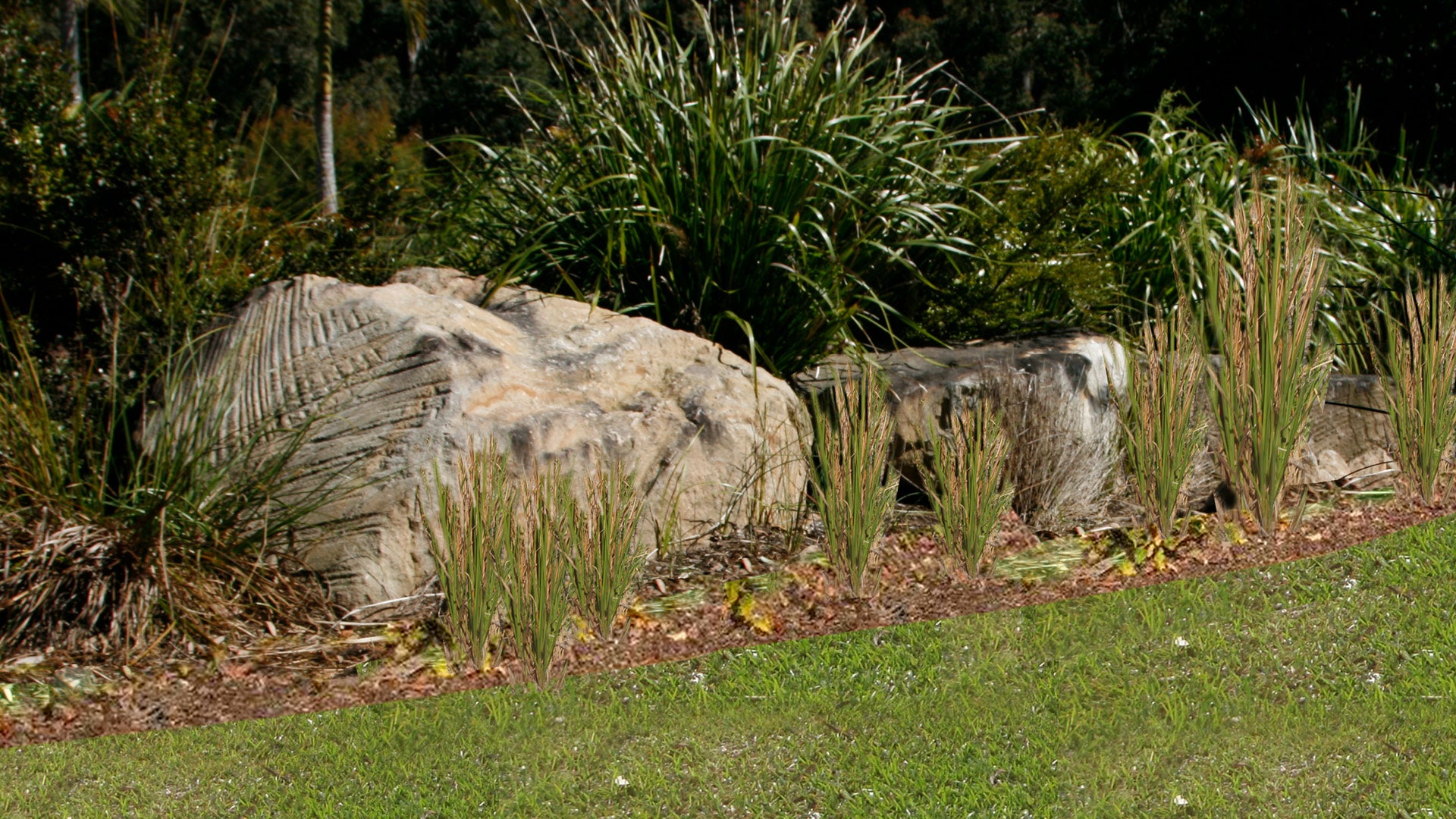
  • Boulders set in place
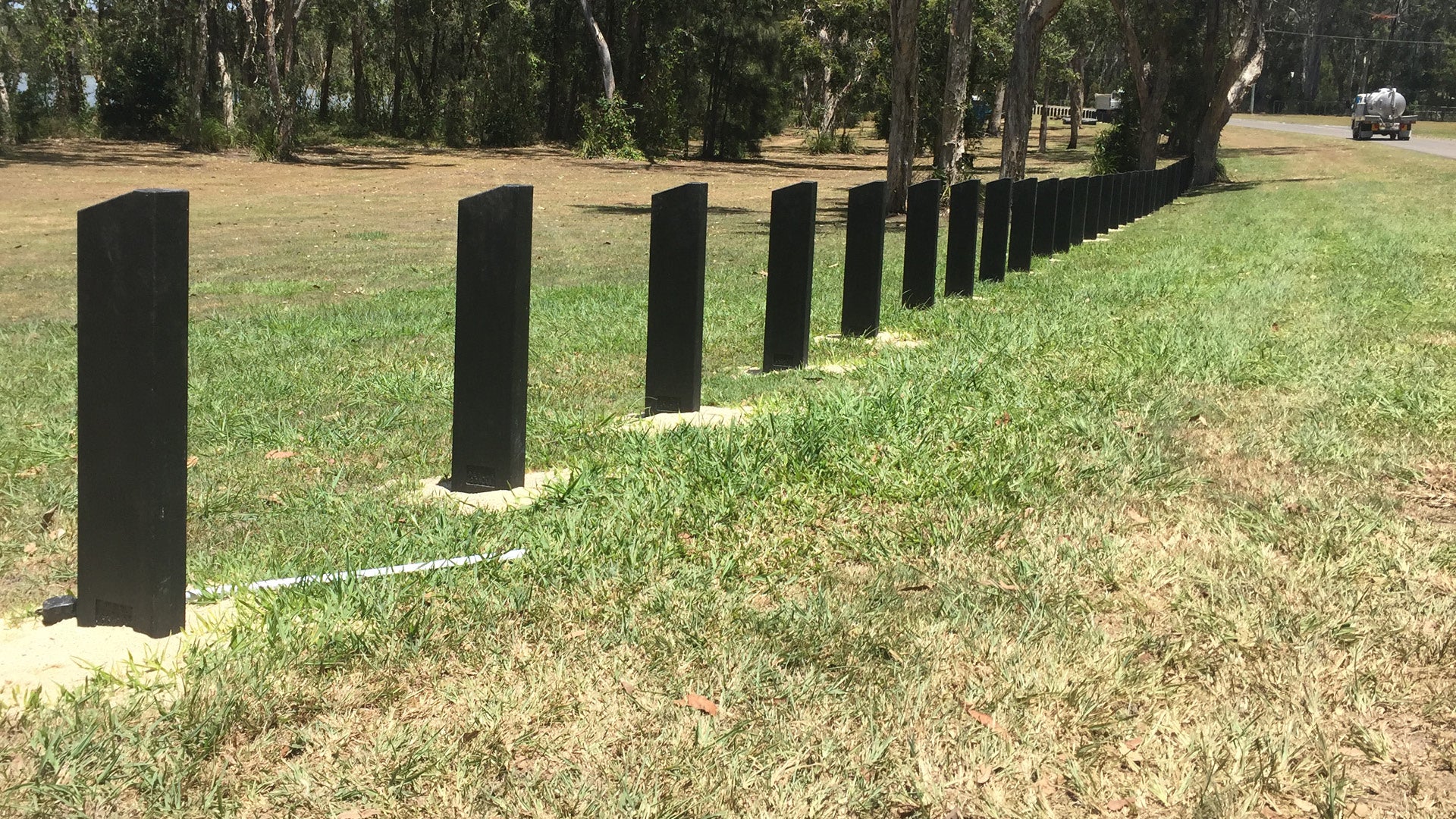
  • In-situ bollards.

See Table 13: Alternative to installing fences.


Table 13: Alternative to installing FENCES
Alternative to fence
Application
Key considerations

Barrier planting

Planting trees, shrubs and ground covers
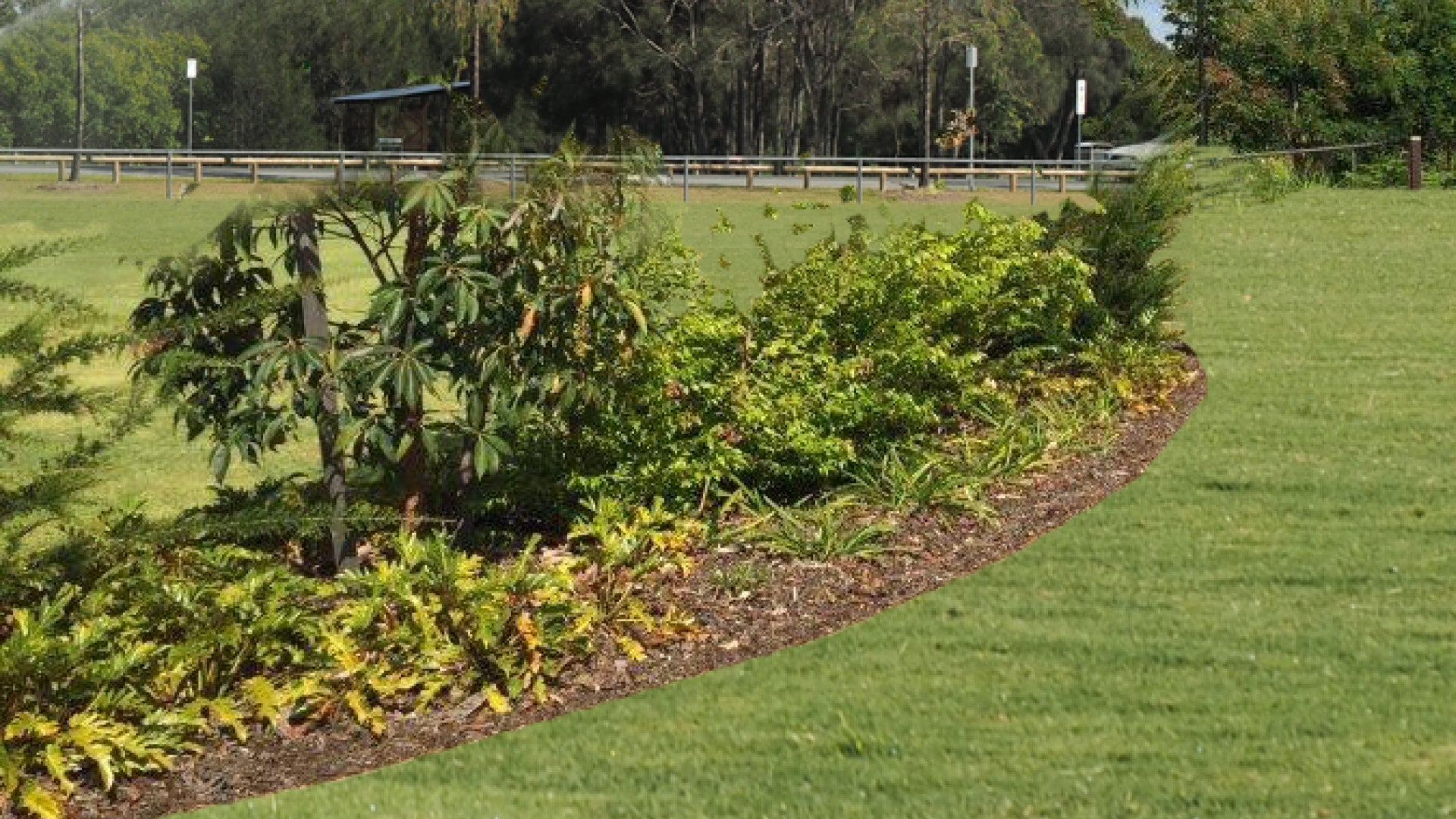
  • To prevent unauthorised vehicles entering an area.
  • Provides a visual and physical barrier, that compliments the natural environment.
  • Environmentally friendly
  • Plant tree species of an adequate height and maturity to deter vehicles (ensure CPTED sightlines are maintained for safety and security). 
  • Select vegetation that will grow to create a barrier. 
  • Refer LIM Planting palette for further guidance.

Barrier planting

Strategic tree planting
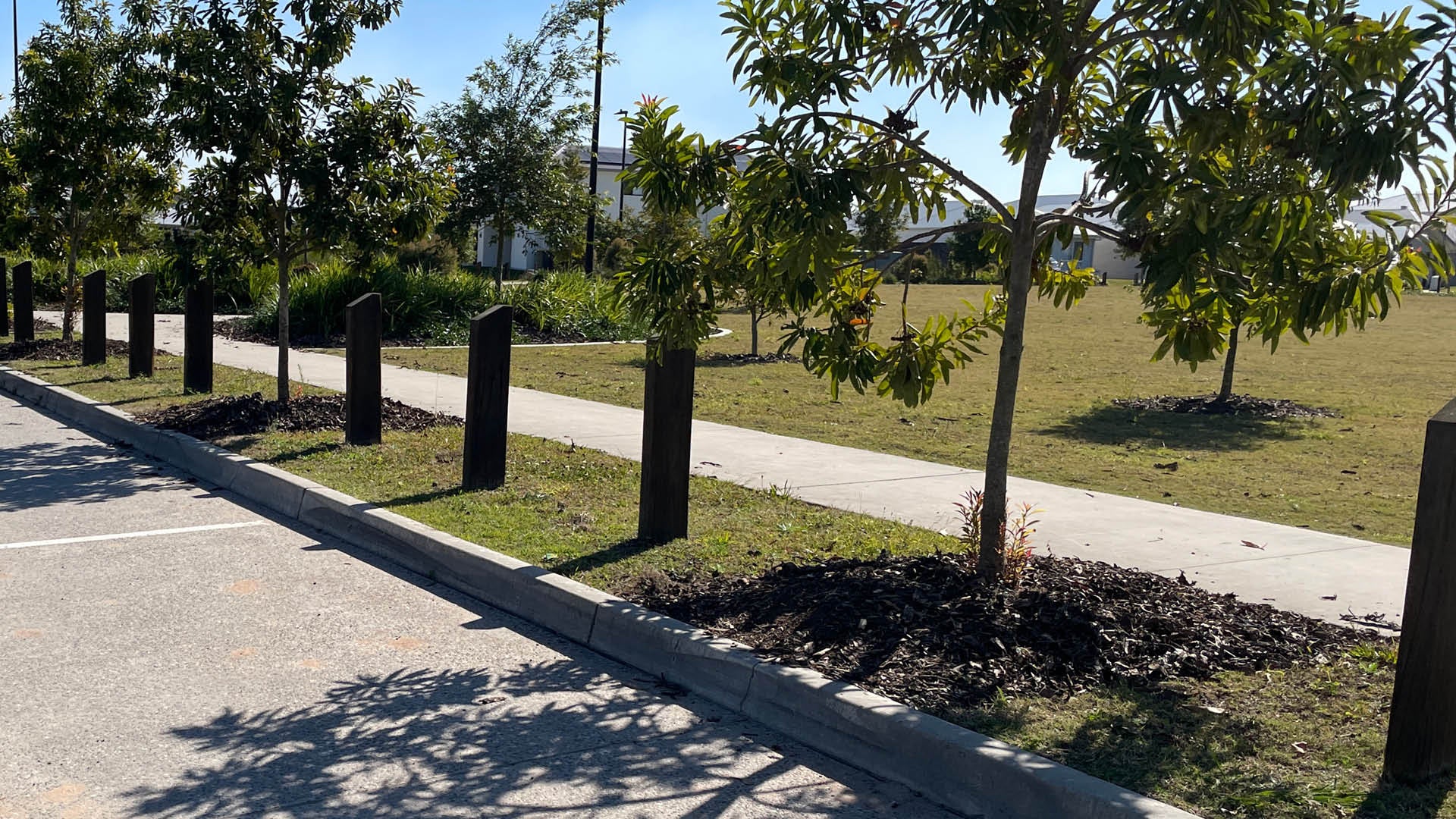
  • To prevent unauthorised vehicles entering an area.
  • Provides a visual and physical barrier that compliments the natural environment.
  • Sustainable
  • Plant tree species of an adequate height and maturity to deter vehicles (ensure CPTED sightlines are maintained for safety and security).
  • Tree guards and tree stakes may be useful as a further deterrent. Consider adding delineators to stakes/tree guards to alert vehicles to the presence of a barrier. 
  • Refer LIM Planting palette for further guidance.


Boulders

  • To prevent unauthorised vehicles entering an area.
  • Provides a visual and physical barrier, that compliments the natural environment.
  • Eco-friendly
  • Refer LIM Planting palette for further guidance on boulders (weight requirements, placement, etc.). 

In-situ bollards

  • To prevent unauthorised vehicles entering an area.
  • Provides a visual and physical barrier, whilst maintaining uninterrupted path of travel for pedestrians.
  • Low visibility alternative to fencing
  • Consider adding delineators to alert pedestrians/vehicles to the presence of a barrier.
  • Refer LIM Bollards for further guidance  


Alternatives to gates

The following alternative options to gates are discussed in further detail in the table below.  Some alternative types are NOT preferred, except where specified for a particular application:

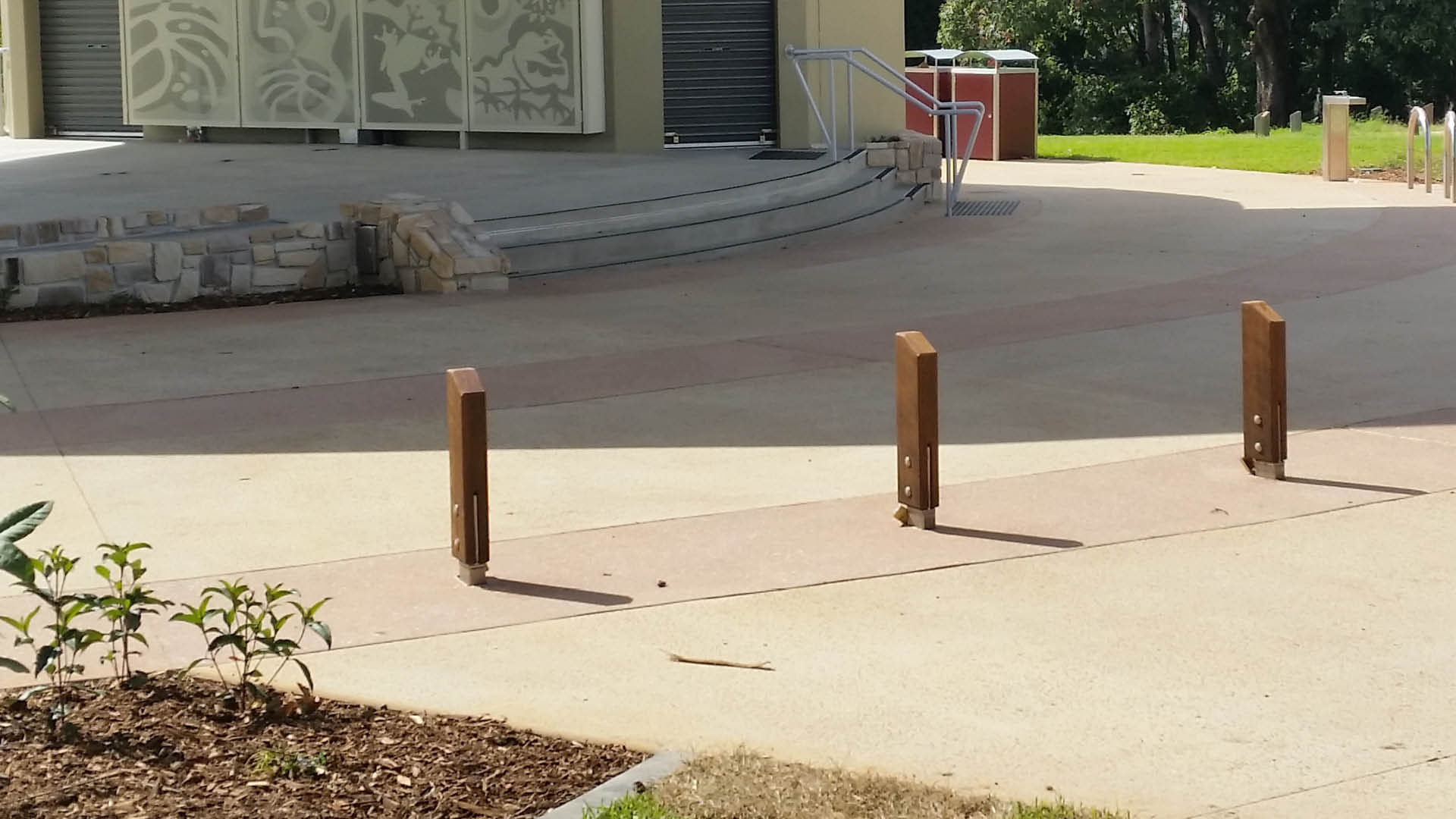
  • Removable bollards (Not preferred. Only install where a high level of finish is required. Approval is required).
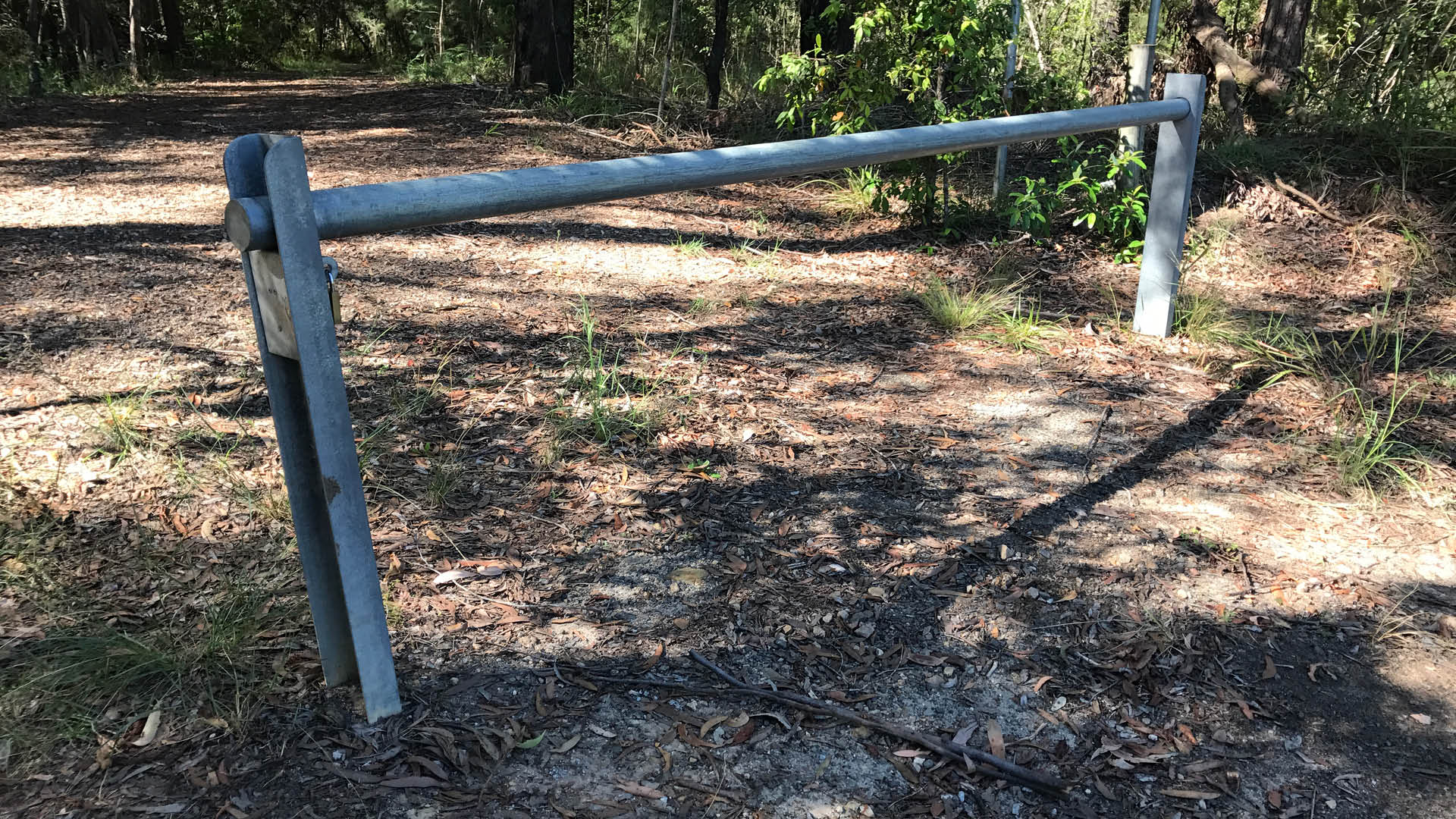
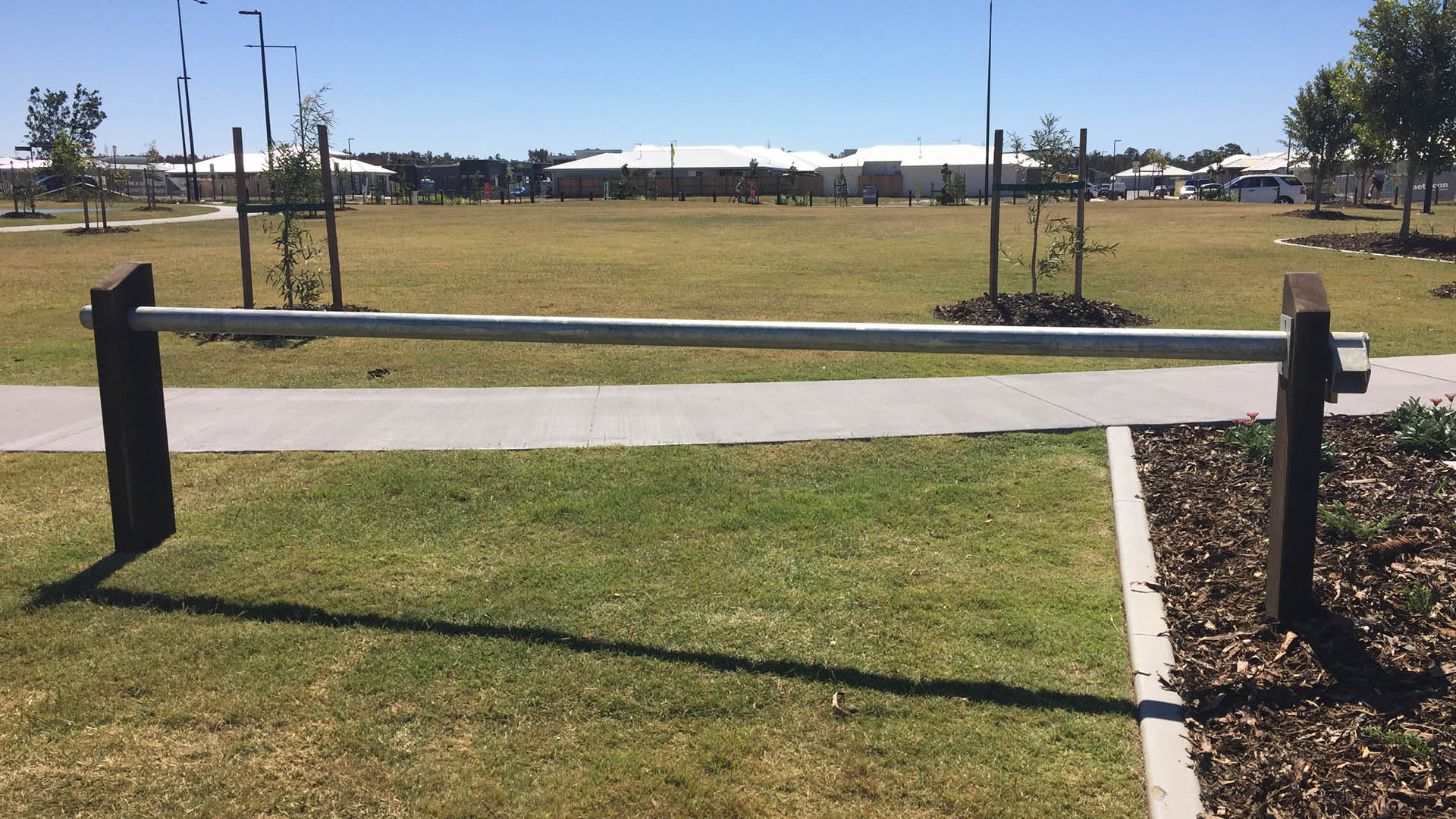
  • Slip rail (NOT to be used unless there is limited space for a swing gate).
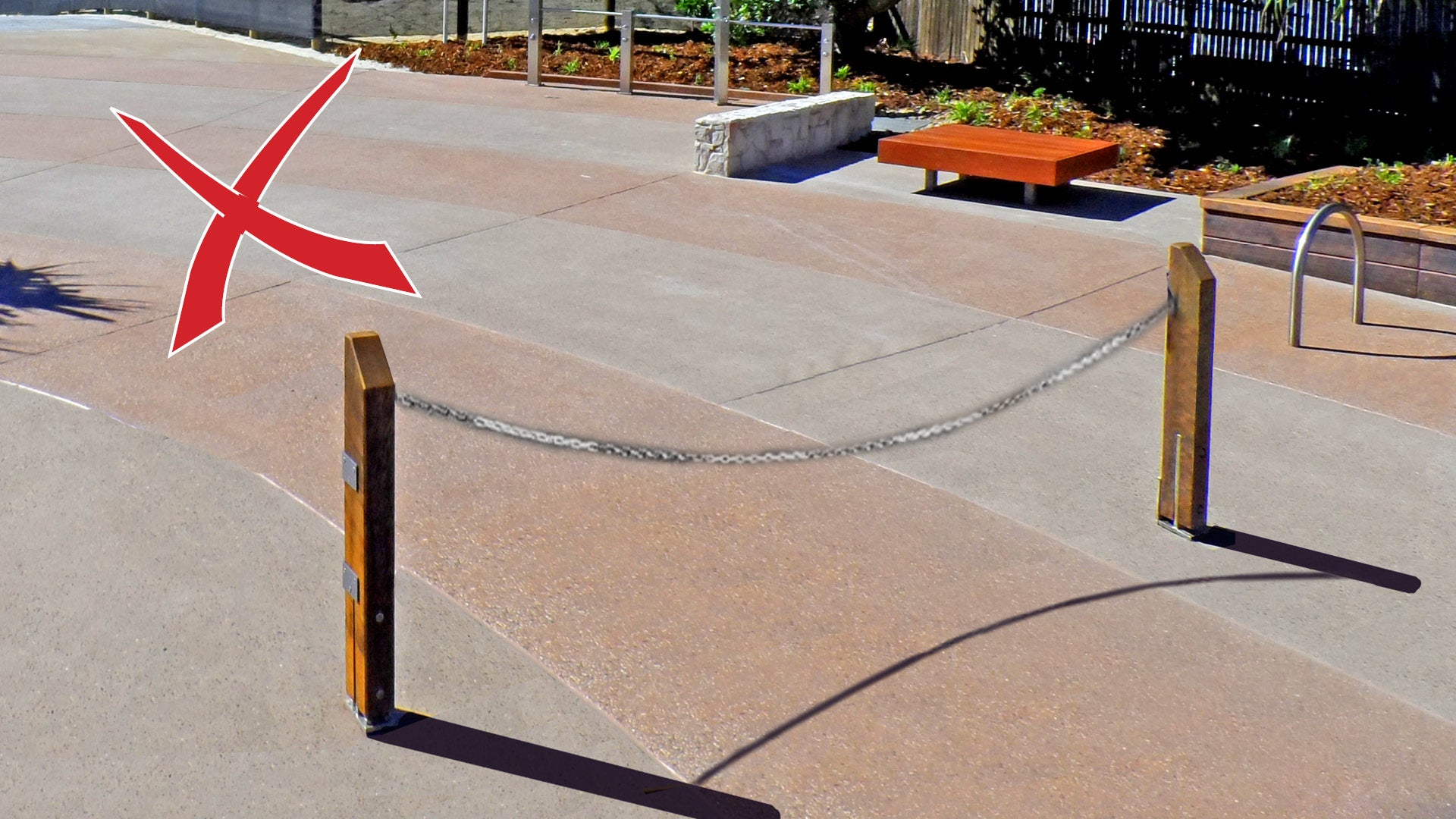
  • Chain gate (must NOT be installed).  

See Table 14: Alternative to installing gates.


Table 14: Alternative to installing GATES
Alternative to vehicle gates/Application
Application
Key considerations

Removable bollards (NOT preferred) 


(includes drop down bollards)
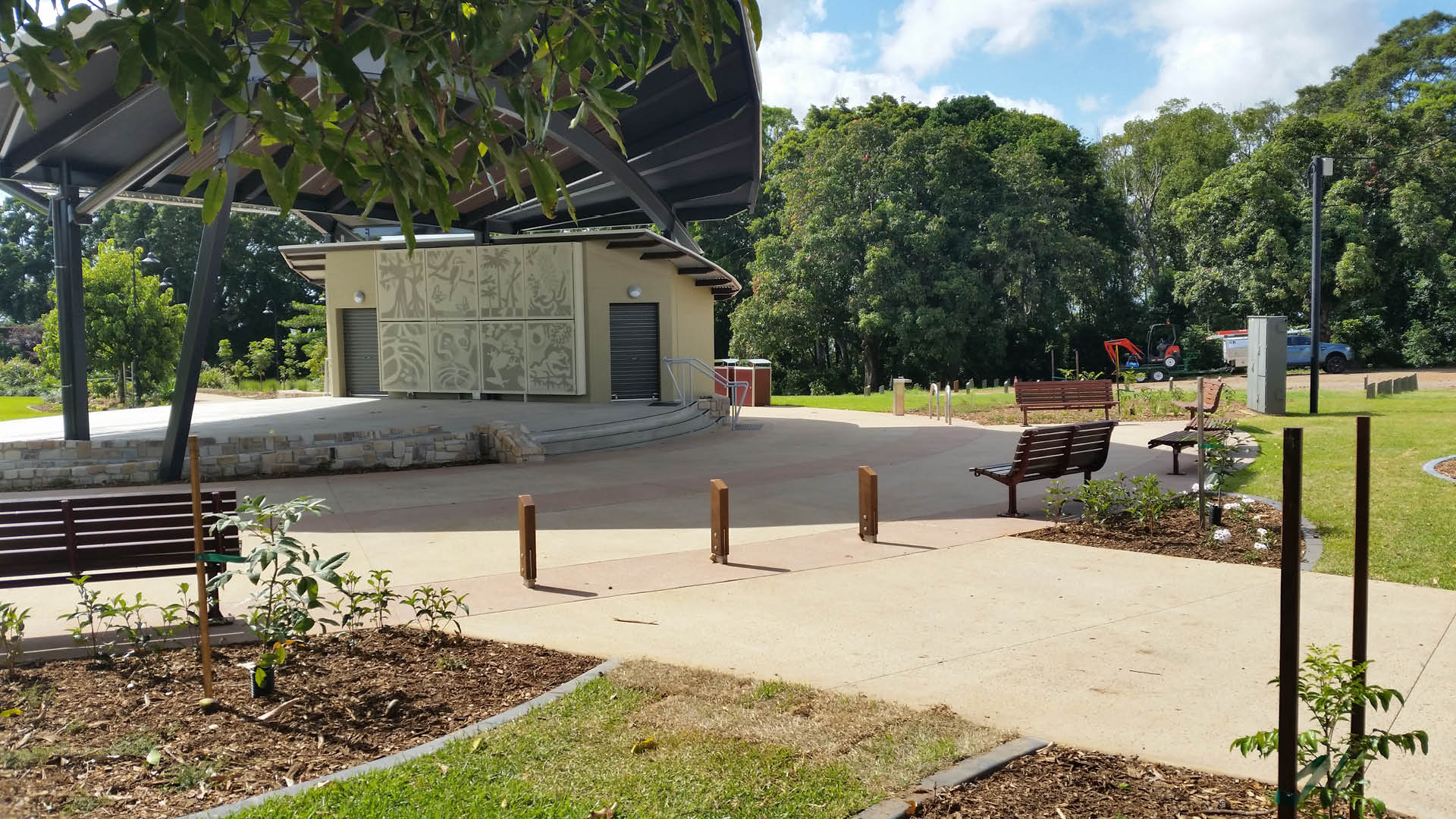

Only install where a high level of finish is required. 


Approval is required

  • Prevents unauthorised vehicles entering an area, whilst providing access for approved vehicles (i.e. maintenance and emergency)
  • Provides a visual and physical barrier, whilst maintaining an unrestricted path of travel for pedestrians.
  • Not preferred for vehicle access at most locations. Consider the size, material and method of safe operation. Lifting may require an aid.
  • ‘Removable bollards’ versus ‘hinged vehicle gates’:
    • Hinged vehicle gates provide a superior solution to workplace health and safety issues (heavy lifting, reduced twisting and turning). 
    • In some instances, a hinged vehicle gate has the potential to interrupt the flow of pedestrian traffic and is therefore not appropriate for the particular site. Where the site requires an uninterrupted path for pedestrians, while providing access for approved vehicles and keeping unauthorised vehicles out, a removable bollard (or drop down bollard) may be appropriate.
    • Hinged vehicle gates offer a better solution where there are events in open space areas. Community members may require temporary vehicle access to the park (by using an events key)
    • In some instances, a hinged vehicle gate may not be practical due to the lack of opening arc space.  
    • Some sites may require a higher level finish, where approved by asset custodian.
  • Where a removable bollard may be considered, please note the following:  
    • Drop down bollards may provide a superior alternative (refer LIM Bollards for further guidance).
    • Consider the size, material and method of safe operation for a removable bollard. 
    • Where removable bollards (or drop down bollards) are installed in place of a vehicle gate, consider adding delineators to alert vehicles to the presence of a barrier.  
    • Where a removable bollard (or drop down bollard) is to be installed on a pathway, refer LIM Bollards for further guidance.

Slip rail (NOT preferred)


Only install this gate type where there is insufficient space for a ‘swing’ gate


Approval is required

Prevents unauthorised vehicles entering an area, whilst providing access for approved vehicles (i.e. maintenance and emergency)
  • ‘Slip rail’ versus ‘hinged vehicle gates’:
    • Slip rail gates present workplace health and safety issues (heavy lifting, restrictive twisting and turning movements). 
    • Hinged vehicle gates provide a better solution where there are ‘events’ in open space areas, community members may require temporary vehicle access to the park (by using an events key).  
    • In some instances, a hinged vehicle gate may not be practical due to the lack of opening arc space. 
    • Both a hinged vehicle gate and a slip rail gate, have the potential to interrupt the flow of pedestrian traffic and is therefore not appropriate for the particular site. Where the site requires an uninterrupted path for pedestrians, while providing access for approved vehicles and keeping unauthorised vehicles out, a removable bollard (or drop down bollard) may be appropriate.
  • Where it is identified that a slip rail gate may be considered, please note the following:
    • Ensure that the slip rail is able to slide completely through to allow for clear vehicle entry/exit. Ensure there are no barriers adjacent to the gate that would prohibit the rail to slide to its full extent (i.e. obstructions such as boulders, bollards and trees).  
    • Consider installing the adjacent bollards with a top groove so the slide rail can be slid directly across to rest on them, to prevent the end dropping on the ground. 
    • Consider the size, material and method of safe operation of the slip rail gate.

Chain gate (MUST NOT be installed)


Chain between posts/bollards MUST NOT be installed
  • Low visibility – a chain is not readily visible.
  • Safety risk – a galvanised or stainless steel chain is generally set at a height where it may pose a risk of falls or trip hazard for pedestrians, particularly people with low vision.


Page payload data

This component is currently in development


Sunshine Coast Open Space Landscape Infrastructure Manual (LIM) DISCLAIMER

Disclaimer

Information contained in this document may change without notice and you should use the current material available from Council’s website and not rely on material previously printed or stored by you.

All figures and diagrams are intended to be used as an aid to design and include Council’s preferred elements but they are not intended to be prescriptive and may need to be varied as dictated by site specific factors. While Council has exercised reasonable care in preparing this document, it does not warrant or represent that it is accurate or complete. The Council will not accept responsibility for any loss, damage, cost or expense that you may incur as a result of the use of or reliance upon any material contained in this document.

This document is produced to convey general information and is not intended to constitute advice whether professional or legal. Any reference to legislation in this document is not an interpretation of the law. It is to be used as a guide only. Consult relevant authority websites for current documents, revisions and amendments.

Where a particular product or supplier is profiled in this document, Council is NOT nominating this product or supplier as the selected choice. Product/supplier information has been provided to allow users to source products which contain the correct elements required for Council embellishments. Each product profiled states ‘or equivalent’ which means that different products may be supplied provided they satisfy the identified performance criteria, recommended standards, equal access guidance and product specifications.

Product design, manufacture and installation requires appropriately qualified people to provide site specific solutions to ensure the embellishment is appropriately adapted to local conditions and data.

This document does not override requirements stipulated in a development approval. Project specific variations may be appropriate as a result of site, environmental or other constraints. Any variations to these standards must be approved in writing by council prior to commencement of variation works. Components of this document may be used within a contract document but users should undertake their own investigations to confirm the information is suitable for this purpose.

Drawings contained in this document are NOT FOR CONSTRUCTION.

Details in this document are deemed to be the minimum standard and the user may wish to apply a higher standard subject to approval by council.

Acknowledgements

Council wishes to thank all contributors and stakeholders involved in the development of this document.

Copyright

Sunshine Coast Regional Council (Council) supports and encourages the distribution of its material however, copyright protects this document. Council has no objection to this material being reproduced but only if council is recognised as the owner of the copyright and this material remains unaltered.

https://www.sunshinecoast.qld.gov.au[email protected]07 5475 7272

Sunshine Coast Open Space Landscape Infrastructure Manual (LIM)

 | 

© LIM 2024 – 2026

 | 

Version 0.0.38.beta

 | 

Last Updated: 01/04/2026 12:27 AM

Preview